
Beard Transplant Boston
Facial and Beard Transplant Overview
Whether you’re after fuller sideburns, a sharper jawline, or the bold beard you’ve never been able to grow - facial hair restoration makes it possible.
Men express their personal style in many ways - through sideburns, goatees, stubble, or full beards. But if facial hair is sparse due to genetics, past surgeries, burns, or scarring, achieving that ideal look can feel out of reach.
Thanks to advancements in hair restoration, particularly the FUE technique, you no longer have to settle. At Nova Medical Hair Transplant in Boston, we specialize in natural-looking beard transplants that deliver density, shape, and symmetry - designed to match your facial features and style preferences.
Our team works with current facial hair restoration technology for beard transplant Boston patients, offering precision and artistry in every procedure. If you’re ready to restore your beard or enhance your facial hair, contact our Boston clinic today to schedule a consultation or ask questions. Let’s help you achieve the bold, sculpted look you’ve always wanted.
Much like traditional scalp hair transplantation, a beard transplant involves relocating healthy hair follicles from a donor area - typically the back or sides of the head - to areas of the face where facial hair is thin, uneven, or absent. Once transplanted, these follicles adapt to their new environment and begin to grow naturally, helping you achieve the fuller, more defined facial hair you’ve been looking for.
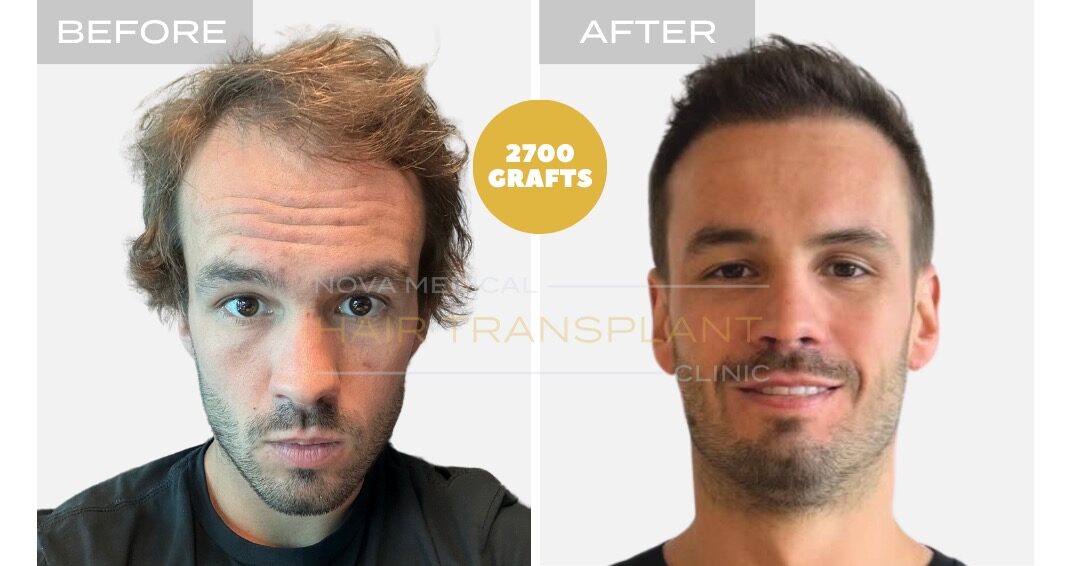
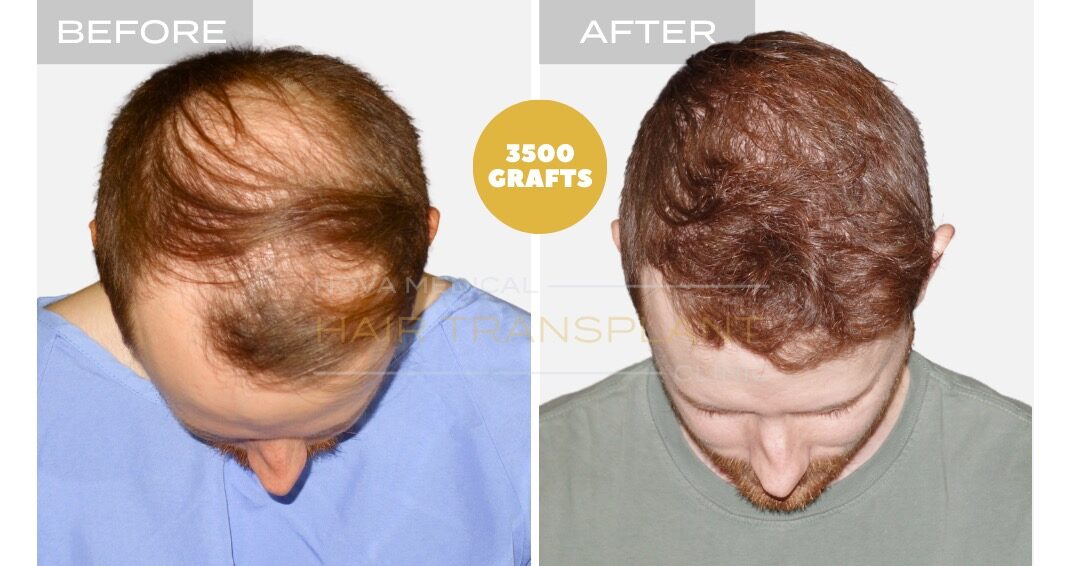
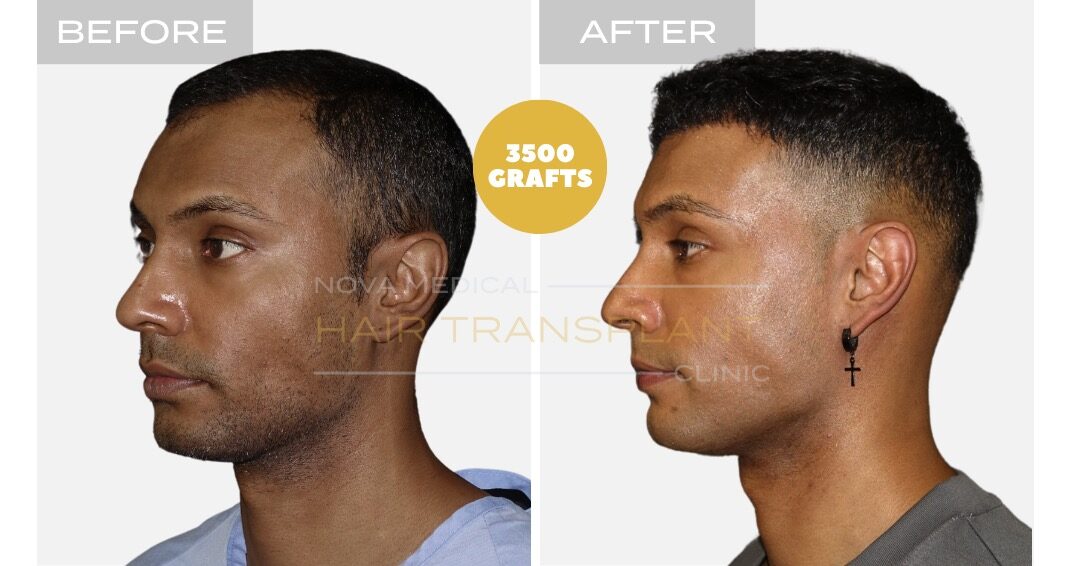
Before & After Gallery
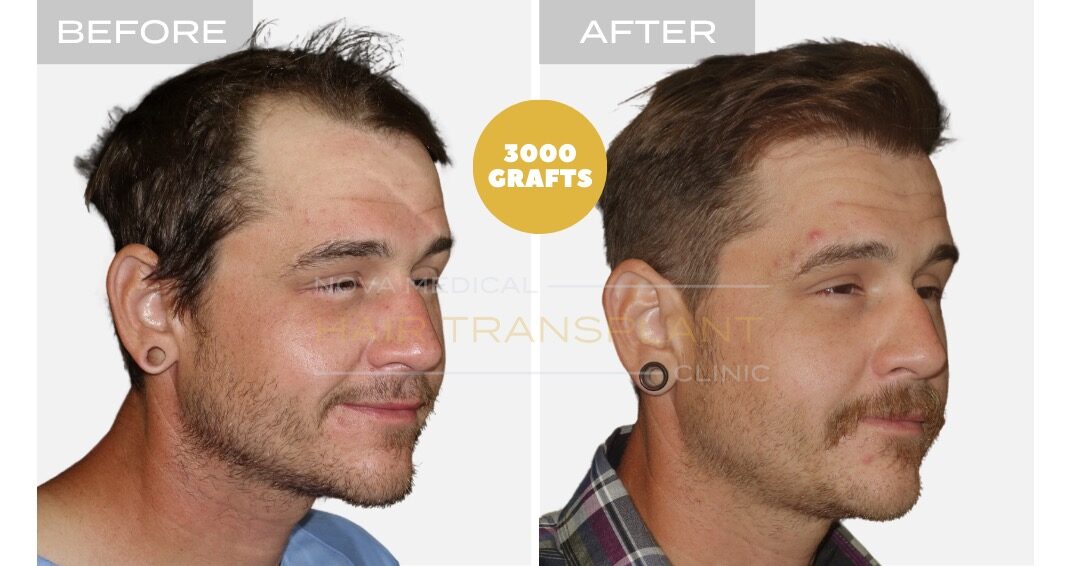
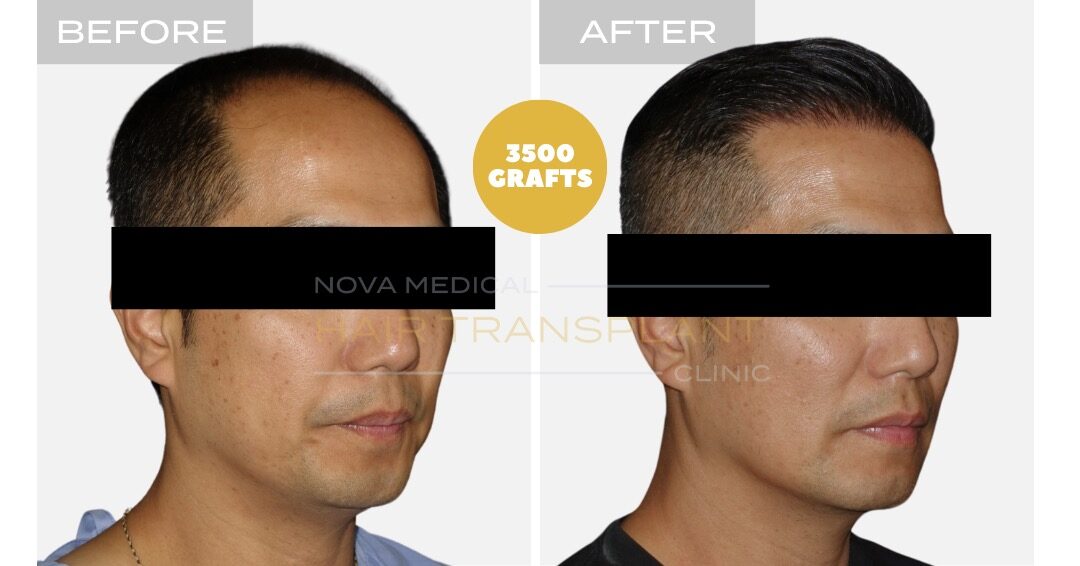
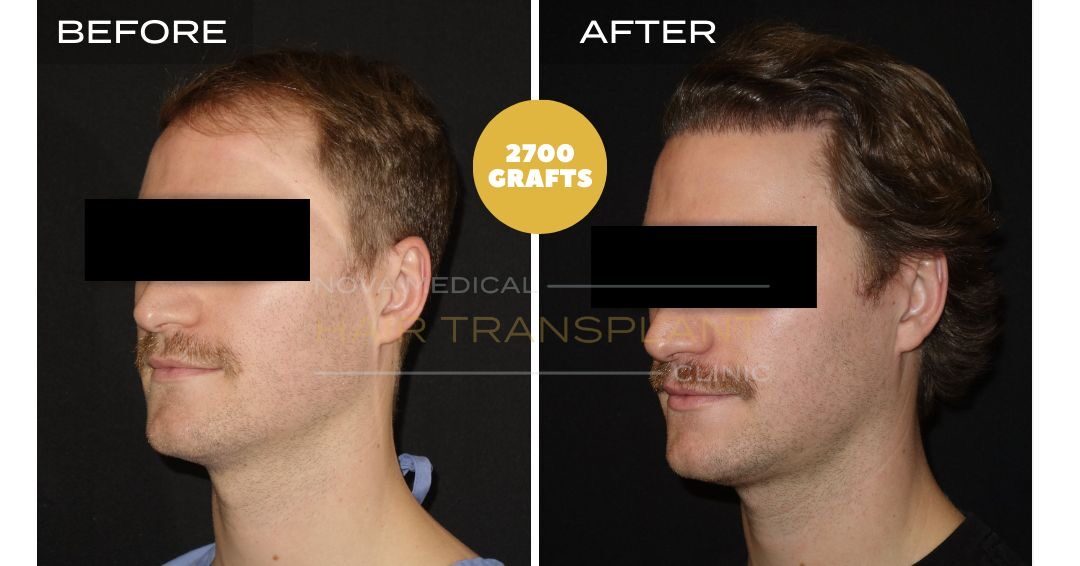
The Facial Hair Transplant Procedure
-
1
Free Consultation & Design
Your journey begins with a comprehensive consultation at Nova Medical Hair Transplant in Boston with Dr. Jeffrey Spiegel, our board-certified facial plastic surgeon. Dr. Spiegel and our team take the time to understand your goals, assess your facial features, and discuss the style and density of facial hair you’re aiming to achieve - whether that’s a fuller beard, defined mustache, or symmetrical sideburns.
-
2
Donor Area Assessment
During your consultation, the doctor will examine your donor area - typically the back or sides of the scalp - to evaluate follicle availability and quality. From there, we’ll develop a personalized surgical plan tailored to your facial structure, hair texture, and aesthetic goals.
-
3
Beard Restoration with FUE
At Nova Medical Hair Transplant in Boston, we use the Follicular Unit Extraction (FUE) technique, an advanced and effective method in facial hair restoration. FUE allows our team to precisely harvest and implant individual hair follicles, ensuring dense, natural-looking results with minimal scarring and a quicker recovery time. The results are permanent, giving you the freedom to shape and groom your beard however you like.
-
4
Our Facial Hair Transplant Technique
Once your donor follicles are ready, the transplant process begins. At Nova Medical Hair Transplant in Boston, Dr. Jeffrey Spiegel directs our medical team through this stage with careful precision. Every follicle is strategically placed to replicate natural facial hair growth - carefully aligning density, direction, and angle to achieve seamless, authentic-looking results.
-
5
After the Procedure
After the procedure, it’s normal to feel some soreness in both the donor and recipient areas, but this mild discomfort typically fades within a few days. With proper care, you’ll be on your way to a natural-looking, full beard that enhances your appearance and confidence.
Beard Transplant Cost in Boston
Beard work at our Newton clinic is priced by the graft, from $3.99 to $7.99 each, so the total follows the size of the design. A full beard covering the cheeks, chin, mustache and jawline needs the most grafts, while filling in sideburns or a goatee takes far fewer. Our hair transplant cost guide lays out the numbers.
Most procedures come to between $4,000 and $15,000, with no session fee added. We map only the areas you want treated and price that plan, rather than selling a fixed beard package.
Your free consultation ends with a written graft count and quote you can take home and consider at your own pace. If spreading the cost helps, 0% financing is offered for the first 12 months.
Patients come to us on Route 9 in Newton from Boston, Cambridge, Brookline and the wider Greater Boston area, and every one of them learns how much donor hair is available before any price is discussed.
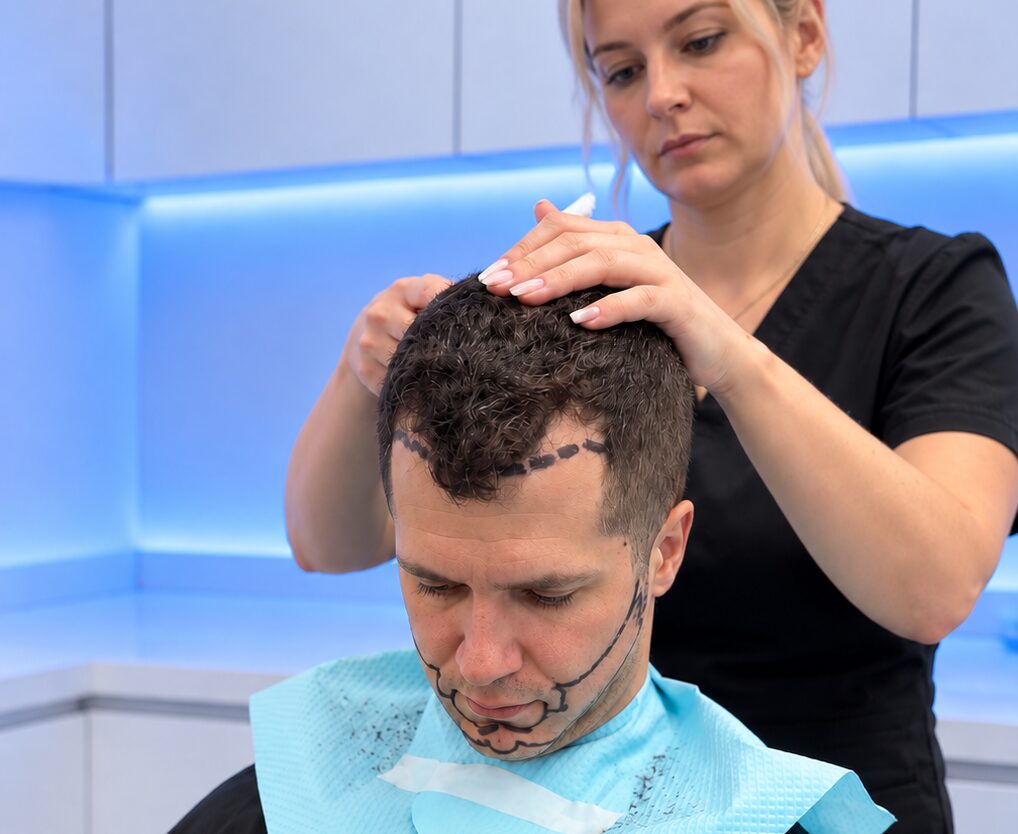
Wear with pride
Spare scalp hair, reshaped into the beard you have in mind.
Request a Free Consultation
No obligation • Same-week availability
How Long Does a Beard Transplant Take?
A beard transplant Boston is a fast, effective outpatient procedure that typically takes 2 to 6 hours to complete. It’s performed under local anesthesia, allowing most patients to return to work or resume daily activities the very next day. With minimal downtime and low risk, it’s a safe and reliable option for men looking to enhance or restore their facial hair.
Following the procedure, it’s normal for the transplanted hairs to shed within the first couple of months - a natural part of the growth cycle. By month three or four, new, permanent facial hair begins to emerge, offering full, lasting results that can be trimmed and styled just like the rest of your beard.
Load a playlist or a few episodes onto your phone before you arrive; between the harvesting and placement stages there are breaks to eat and stretch.
Beard Areas We Treat
Facial hair transplants are ideal for a variety of concerns, including:
- Sparse or uneven sideburns
- Patchy beard growth
- Thin or faint mustaches
- A goatee or chin patch that never connects
- Gaps at the corners of the mouth between mustache and beard
- A cheek line that fades out instead of holding an edge
- A thin jawline or neckline that needs a defined border
What Brings Men In for a Beard Transplant
Most of the men we see in Newton fit one of these four situations, and plenty of them fit two.
Patches That Never Join
Some beards grow in clumps with bare skin between them, however long they are left to grow. Grafts fill those gaps so the beard reads as one continuous shape.
Scars That Block Growth
Hockey cuts, past surgery or acne can leave smooth marks where no hair grows. Placing grafts into the scar restores growth and helps disguise the mark.
Genetics That Hold You Back
For some men, inherited traits or hormones keep facial hair at a faint shadow. A transplant adds follicles where the face never produced them.
Shape and Definition
Men who already grow a decent beard often want a crisper cheek line, a thicker mustache or a stronger jaw edge. A modest graft count can achieve that.
Schedule a Beard Transplant Consultation
Ready to enhance your facial hair? Contact Nova Medical Hair Transplant in Boston to schedule a private consultation with Dr. Jeffrey Spiegel or a member of our surgical team. We’ll take the time to understand your goals and create a personalized treatment plan to help you achieve the beard or facial hair style you’ve always wanted.
Book a Private Consultation
No obligation • Same-week availability
Are You a Candidate for Beard Transplant?
Candidacy depends on your facial structure, the style you have in mind and how much donor hair your scalp can give. Men who do well with the procedure often have:
- Facial hair that comes in thin, faint or broken up
- Sideburns that stop short of connecting to the beard
- A mustache that is sparse in the middle or at the edges
- Bare patches or scars where hair no longer grows
At your visit we count how many follicles the back and sides of your scalp can safely spare, then shape a plan around that number and the look you want. If the donor supply limits what is possible, you will hear it plainly before any decision is made.

Natural-Looking Beard Transplant Results - What To Expect
At Nova Medical Hair Transplant in Boston, our approach to beard transplants goes beyond basic hair restoration. Unlike many providers who are trained solely in hair transplant techniques, our team also brings extensive expertise in facial plastic surgery - giving us a distinct advantage when it comes to achieving truly natural results.
Dr. Jeffrey Spiegel’s dual expertise in facial plastic surgery and aesthetic balance brings both surgical precision and artistic insight to each facial hair transplant plan. Every follicle is carefully placed at the right angle, direction, and density to ensure your new facial hair grows naturally and blends seamlessly with your existing features.
The result? A beard that not only looks real - it feels real, grows naturally, and enhances your appearance with subtle, authentic detail. We never compromise on quality, and our commitment to excellence shows in every outcome we deliver.
Thanks to our experience, precision, and personalized care, Nova Medical Hair Transplant Boston has become a trusted choice for natural beard transplants, giving men across the Boston area a reliable way to redefine their look with confidence.
Our team is known for delivering great results thanks to their careful attention to detail and commitment to quality. It’s the time, skill, and care we put into every step that makes our facial hair transplants stand out.
Whether you’re aiming for a bold beard, filled-in sideburns, or a well-shaped mustache, our team is here to guide you toward the right solution for your goals.
Medical History & Pre-Operative Instructions
-
1
Medical History Review
Before your scheduled facial hair transplant at Nova Medical Boston, you’ll meet with your surgeon and care team for a detailed preoperative consultation. During this session, we’ll review your overall health and discuss any medical conditions you may have - such as high blood pressure, asthma, or chronic illness - to ensure everything is carefully considered in your treatment plan. While many conditions won’t disqualify you from undergoing surgery, it’s essential that our team is aware of any relevant health issues to promote a safe, customized experience.
-
2
Pre-Operative Measures
Pre-operative preparation is minimal but important. You’ll be advised to avoid alcohol for at least one week prior to surgery. You’ll also need to stop taking NSAIDs (like Advil or ibuprofen) and certain over-the-counter supplements, as these may thin the blood and increase the risk of bleeding during graft extraction. Other items to avoid include Gingko Biloba, Vitamin E, Echinacea and garlic supplements.
-
3
Medication Protocol
In addition, your doctor will provide you with a pre-surgery medication kit, which may include pain relief, antibiotics, and anti-inflammatory medication. You’ll receive full instructions on when and how to take each one to ensure a smooth and successful procedure. Following these guidelines closely helps optimize your results and keeps your experience safe, efficient, and comfortable from start to finish.
Beard Transplant Recovery Timeline
- Day 1
You head home the same day with someone driving you. Expect some redness, mild swelling and tiny crusts around each graft that evening.
- Days 3-5
Crusts begin to soften and lift, and most men return to work while following the aftercare plan we give them.
- Days 7-10
The small extraction points on the scalp have healed, and any remaining pink tone on the face keeps fading.
- Weeks 2-4
A good share of the new beard hairs shed. The follicles stay rooted and are simply resting before regrowth.
- ~Month 3
New hairs start to break through, sparse at first, then fuller as more follicles wake up.
- Month 6
The difference is clear when you look in the mirror, and the beard keeps getting thicker.
- Months 9-12
Your beard has reached its mature density and can be trimmed, shaved or grown out like any other facial hair.
The Day of Your Beard Transplant Procedure
On the day of your beard transplant Boston, our team will ensure that you feel comfortable and well-cared for from the moment you arrive. You’ll have time to ask any last-minute questions or go over details with your surgeon, so you feel confident and informed before the procedure begins.
We begin by applying local anesthesia to the donor area - usually the back or sides of the scalp - ensuring a completely pain-free experience.
Once the follicles are harvested, they’ll be carefully prepared for implantation by our surgical team. This part of the process requires precision and may take a bit of time. During this interval, you’re welcome to relax, have lunch, browse your phone, or simply rest in our recovery area.
Throughout your time with us, your comfort and peace of mind remain our priority. For insight into what to expect, feel free to explore patient stories and reviews featured on our clinic’s page - you’ll see why so many trust Nova Medical Hair Transplant in Boston for facial hair restoration.