Hair Transplant Clinic Boston
Hair Transplant Overview
Welcome to our Hair Transplant Boston overview page, where we’ll guide you through everything you need to know about our hair transplant clinic Boston. This page highlights the natural techniques we use, such as FUE, to achieve natural, long-term results.
You’ll learn about our customized approach to rebuilding hairlines, treating thinning zones, and addressing individual concerns. We’ll also walk you through the advantages of our treatments, what the procedure involves, and how we personalize every step to suit your unique goals.
Hair plays a powerful role in how we see ourselves and how others perceive us. It’s often considered one of our most defining features, framing the face, enhancing appearance, and boosting confidence. That’s why so many people put time and effort into maintaining healthy, well-groomed hair.
However, not everyone feels satisfied with the state of their hair. Thinning, shedding, or baldness, whether caused by age, stress, medical conditions, or genetics, can take a toll on your self-esteem. While hair loss is common and nothing to be ashamed of, societal pressures and outdated stigmas often associate it with aging, reduced energy, or a less youthful appearance.
At Nova Medical Hair Transplant in Boston, we believe no one should feel less confident because of hair loss. That’s why we offer natural-looking hair restoration solutions that empower individuals to reclaim their appearance, and their confidence, with pride.
The clinic itself is a single suite at 335 Boylston St in Newton, on the Route 9 corridor a short drive from downtown Boston. Your consultation, procedure day and every follow-up visit happen under one roof, with the same small group of people who drew up your plan, so you are never handed off to strangers halfway through.
Curious how that feels from the patient side? Read what people have written in our Google reviews, then call or stop by during clinic hours, Monday to Saturday from 8am to 10pm, to see the space and meet the team before you decide anything.
Tailored Solutions for Every Hair Type
How a Hair Transplant Can Address Your Unique Needs
When considering a hair transplant clinic Boston, it’s essential to recognize that no two heads of hair are alike. Whether your hair is straight, wavy, curly, or tightly coiled, each texture presents its own challenges and considerations during hair restoration. A successful transplant isn’t just about adding coverage, it’s about achieving a natural look that respects your hair type and personal concerns. That’s why we focus on customized solutions that adapt to your unique needs.
Understanding Different Hair Types
Hair texture plays a critical role in planning and performing a transplant. For instance, curly or coily hair often features deeply rooted, curved follicles that require additional care during extraction. Straight hair, by contrast, may need more grafts to create the appearance of fullness due to its finer diameter and how it reflects light.
At Nova Medical Hair Transplant in Boston, our experienced surgeon and medical team are well-versed in working with all hair types. From extraction to implantation, every follicle is handled with precision to ensure a seamless, natural blend with your existing hair. This specialized care is what makes the difference in creating results that truly suit you.
Addressing Your Specific Hair Concerns
Hair type is just one part of the picture. We also tailor treatments to tackle individual concerns like receding hairlines, thinning crowns, patchy beards, or scarring. For a receding hairline, our focus is on building a soft, natural-looking frame that complements your face. For thinning areas, we prioritize density and even coverage for a consistent finish.
Certain hair types may also be more susceptible to conditions like traction alopecia, which requires a more strategic approach. Our customized plans are designed to address the root cause while delivering long-lasting, visually appealing results.
Why Personalization Is Essential
Personalization is what transforms a hair transplant from a medical procedure into a true aesthetic solution. By accounting for your hair type, growth pattern, facial features, and goals, we create a tailored treatment plan that leads to fuller, more natural results. At Nova Medical Hair Transplant Boston, our goal is to help you feel confident, not just because you have more hair, but because it looks and feels like your own.
Benefits of Getting a Hair Transplant in Boston
Considering a hair transplant clinic Boston offers a range of benefits for individuals looking to restore their hair and confidence. One of the biggest advantages is the ability to achieve a fuller, more natural-looking head of hair using your own follicles. Unlike temporary fixes like wigs or topical products, a hair transplant offers a permanent solution that blends seamlessly with your existing hair, both in look and feel.
Another key benefit is the low maintenance that comes after the procedure. Once the transplanted hair starts to grow, it behaves just like your natural hair. You can wash it, cut it, and style it however you like, with no need for special treatments or daily upkeep. This makes it a convenient and lasting option compared to other short-term hair loss remedies.
At Nova Medical Hair Transplant in Boston, we specialize in personalized treatment plans. Whether you’re dealing with a receding hairline, overall thinning, or isolated bald patches, we tailor every procedure to meet your individual goals. This custom approach ensures the final outcome is natural, balanced, and in harmony with your features.
A hair transplant is also a long-term investment in your appearance. The results are permanent, with the transplanted hair continuing to grow for years to come. Compared to the ongoing costs of temporary solutions, it’s a more cost-effective option over time.
Lastly, FUE hair transplants are minimally invasive and come with a short recovery window. Most patients return to regular activities within just a few days, with only mild, temporary discomfort. With natural results, convenience, and lasting impact, it’s easy to see why more people in Boston are choosing hair transplants as their go-to solution for hair restoration.
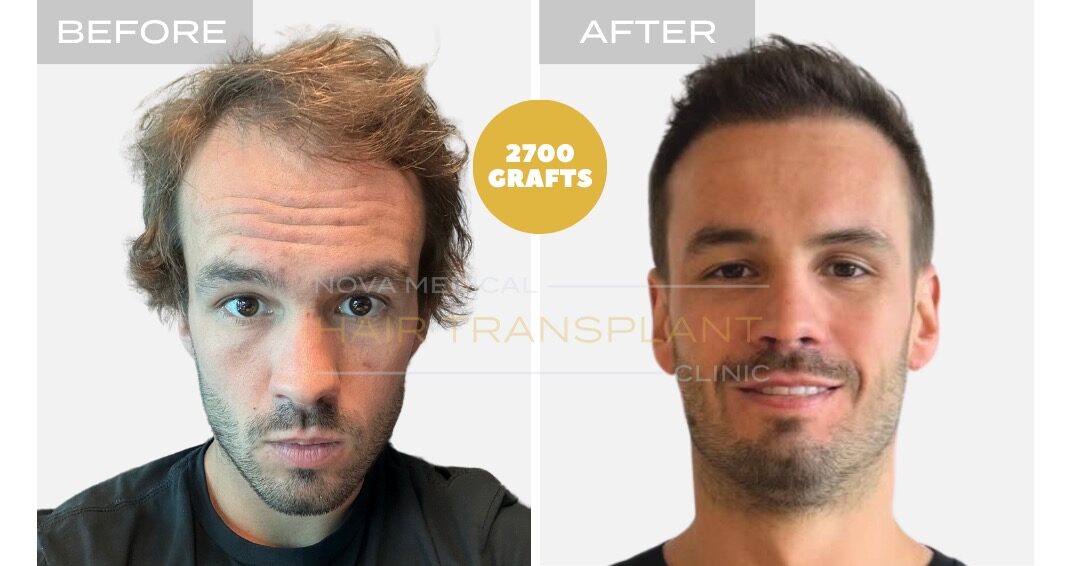
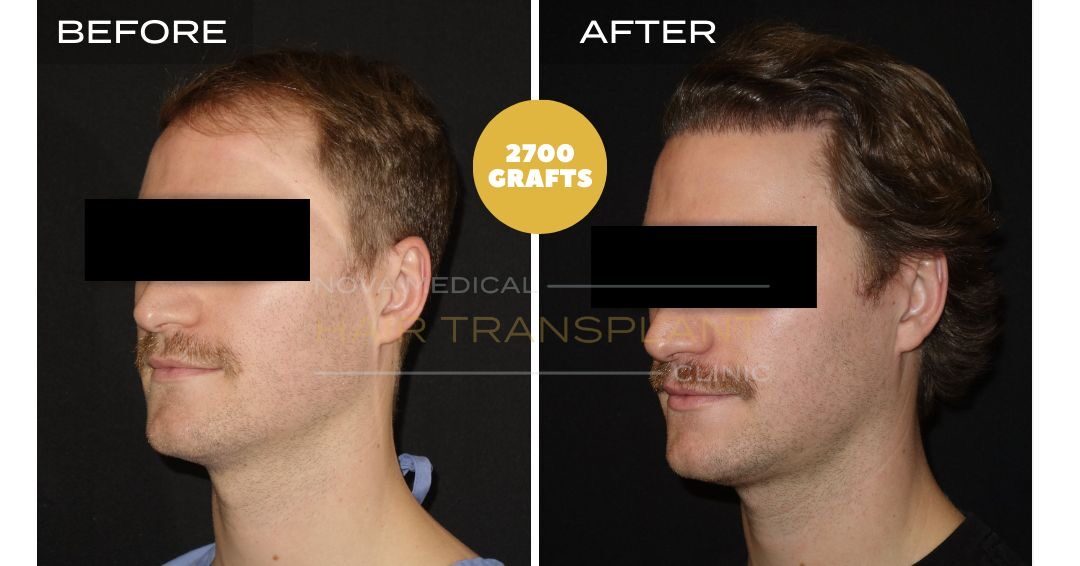
Before & After Gallery
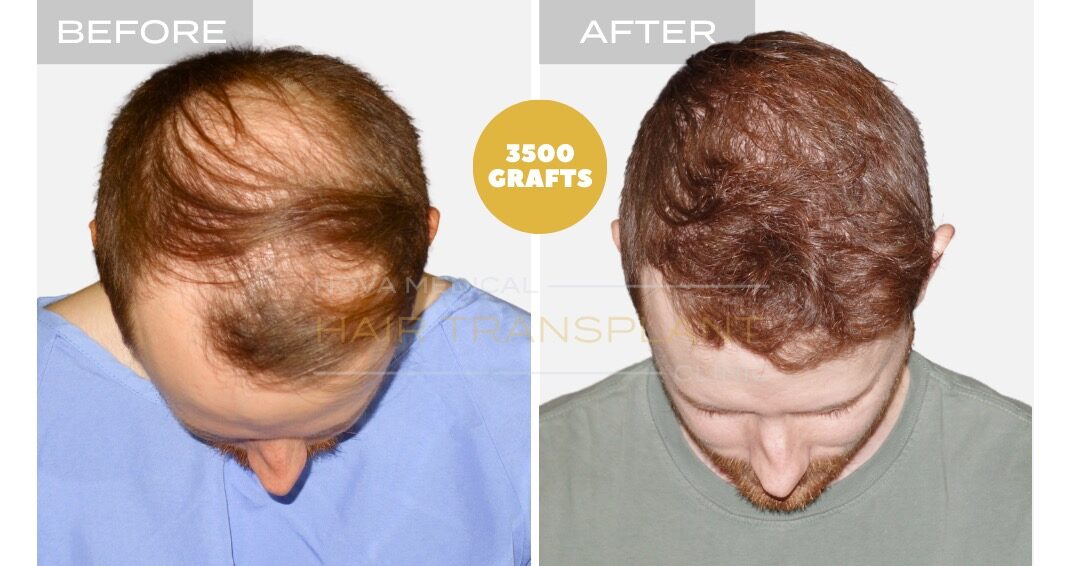
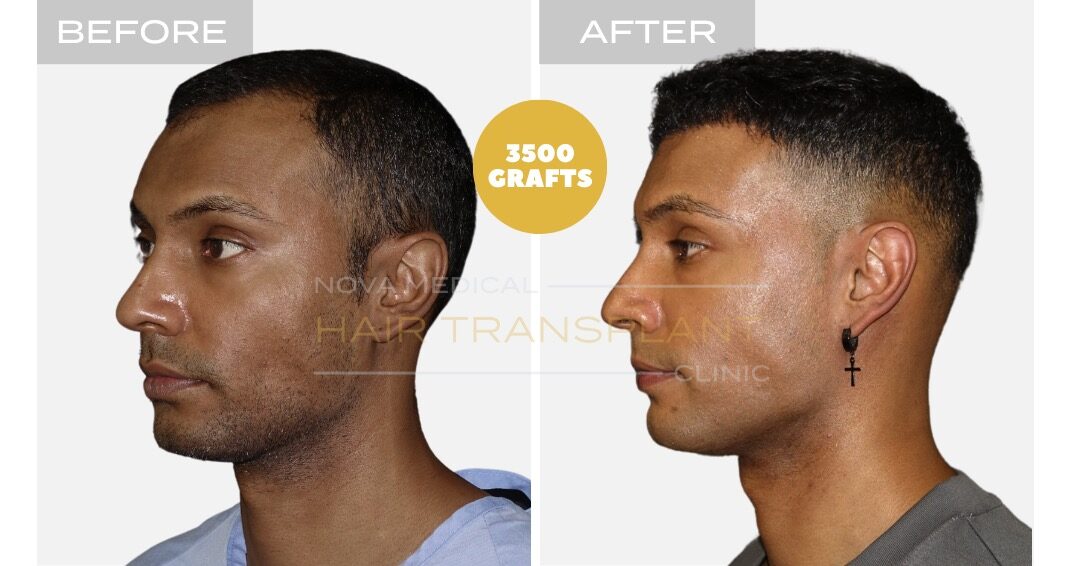
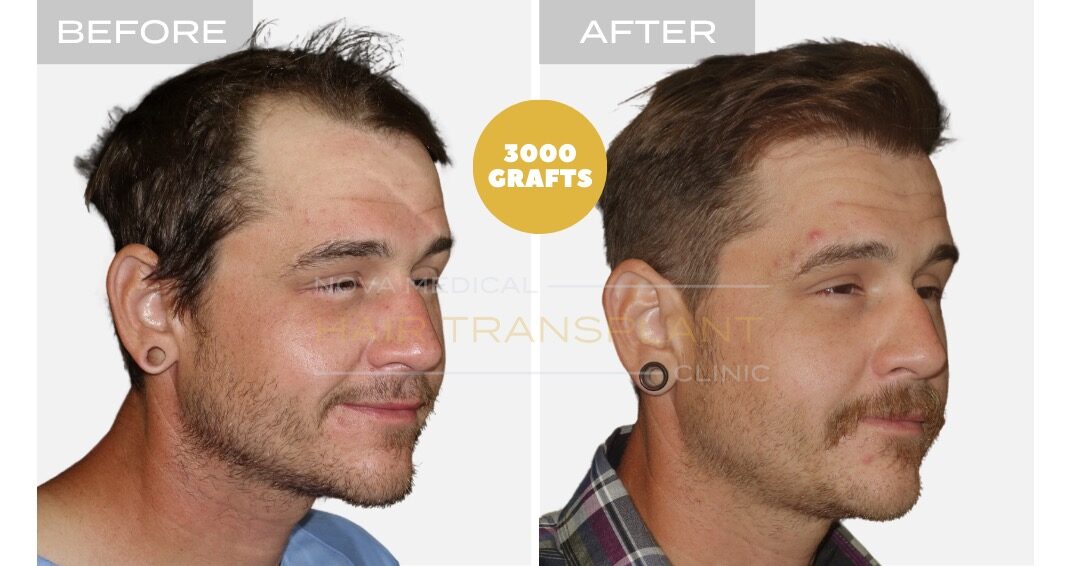
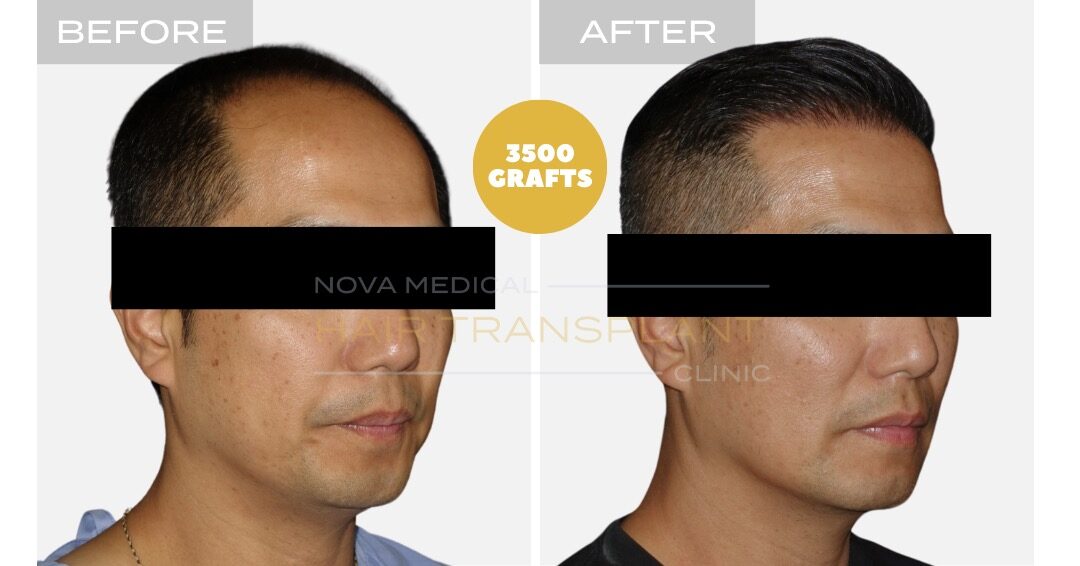
What is DHI?
Direct Hair Implantation (DHI) keeps the individual-follicle harvest of FUE but swaps the way each graft goes back into the scalp. Rather than a separate set of tiny openings, the graft travels inside a slim, pen-like tool that is pressed directly into the thinning zone.
Because the pen controls depth and angle at the moment of placement, it suits small, detailed areas such as a softened front edge or a filled-in temple point. Larger zones can still be done this way, but the session usually runs longer.
In our Newton suite we treat DHI as one tool among several rather than a package to sell. Some patients come in asking for it by name; after the scalp exam, a few of them turn out to be better served by standard FUE, and we explain why in plain terms.
If DHI is on your list, mention it when you book. The team will bring the implanter pens to your consultation, show you how they work, and talk through whether they make sense for your donor supply and goals.
How DHI Works
The groundwork never changes. We map your donor zone, measure how much hair has been lost and where, and agree on a hairline and density target before any instrument comes out.
Once the scalp is numb, follicles are lifted out one by one and handed straight to the person loading the pens. The loaded pen is then used to seat each graft at its planned angle, so harvesting and placement move forward together through the day.
Aftercare is the same as for any follicle-by-follicle case: crusts fade over roughly ten to fourteen days, the shed-and-regrow cycle follows, and early growth shows a few months in. We book check-ins at the clinic so the team can track how the grafts are settling.
DHI vs. FUE
Both methods take grafts out the same way, one follicular unit at a time, so the real difference lies in the second half of the day: how the grafts are returned to the scalp.
With conventional FUE the surgical team first opens every recipient site across the area, then places the grafts into those openings. It is fast over large zones, widely studied, and leaves only scattered dot marks at the back, which is why most of our Boston cases still use it.
With DHI, opening and placing happen in a single motion from the pen. That precision can pay off along a delicate hairline, though the slower pace means it is less practical for very large graft counts.
Which one you get is decided after your assessment, not before. Dr. Jeffrey Spiegel, MD reviews your donor density, hair character and goals and signs off on the approach, and the plan is explained to you in writing ahead of procedure day.
What is FUE?
FUE, also known as Follicular Unit Extraction, is a modern hair transplant technique that involves carefully removing individual hair follicles from the back or sides of the scalp without leaving a linear scar. Instead, a small, precise punch tool (about 1 millimeter in size) is used to extract micrografts, resulting in tiny, nearly invisible marks that heal quickly and naturally.
Because there’s no long incision, patients can keep their hair closely cut without worrying about visible scarring. Although the graft collection process takes time, the natural-looking, long-lasting results make FUE well worth the investment.
FUE is especially well-suited for a wide range of hair types and textures, including straight, wavy, curly, and coily hair. It’s an excellent option for younger patients, individuals of African, Asian, Middle Eastern, or Latin descent, and those with limited donor hair availability or a preference for wearing shorter hairstyles.
It’s also the go-to method for individuals looking to enhance facial hair, including beards, mustaches, sideburns, and even thicker eyebrows, thanks to its precision and flexibility.
What is FUT?
FUT, also known as Follicular Unit Transplantation, is a hair restoration technique where a thin strip of scalp is carefully removed from the back of the head, an area where hair tends to be more resistant to thinning. After removal, the area is sutured with precision to keep scarring minimal and discreet.
The extracted strip is then divided into natural follicular groupings, typically containing 1 to 4 hairs per graft. These grafts are then strategically implanted into thinning or balding areas, following the natural angle and direction of your hair to ensure a realistic, seamless result.
Need more information about either of these techniques?
But your hair can be
One clinic in Newton, one team, from first visit to final check-up.
Request a Free Consultation
No obligation • Same-week availability
Hair Transplant Procedure Overview
~2 minutes readYour hair restoration journey begins with an important decision: choosing the right hair transplant clinic Boston and surgical team to guide you through the process. At Nova Medical Hair Transplant in Boston, we believe that every great outcome starts with expert care. That’s why every procedure is led by board-certified plastic surgeon Dr. Jeffrey Spiegel, who directs our medical team, in a fully accredited on-site surgical facility built to strict standards of safety, sterility, and comfort.
Your experience starts with a comprehensive consultation, where our specialists take time to understand your unique hair concerns. We’ll review your medical history, any past hair procedures, and current hair care habits. From there, we conduct a physical exam to evaluate your hair quality, texture, density, and pattern of loss, all of which help determine whether you’re a good candidate for surgery.
If you’re eligible, we’ll schedule your procedure and begin planning your personalized treatment strategy. On the day of your surgery, you’ll arrive in the morning and change into a comfortable gown, slippers, and robe. Before the procedure begins, you’ll have a final consultation with your surgeon to review the goals, expectations, and overall approach.
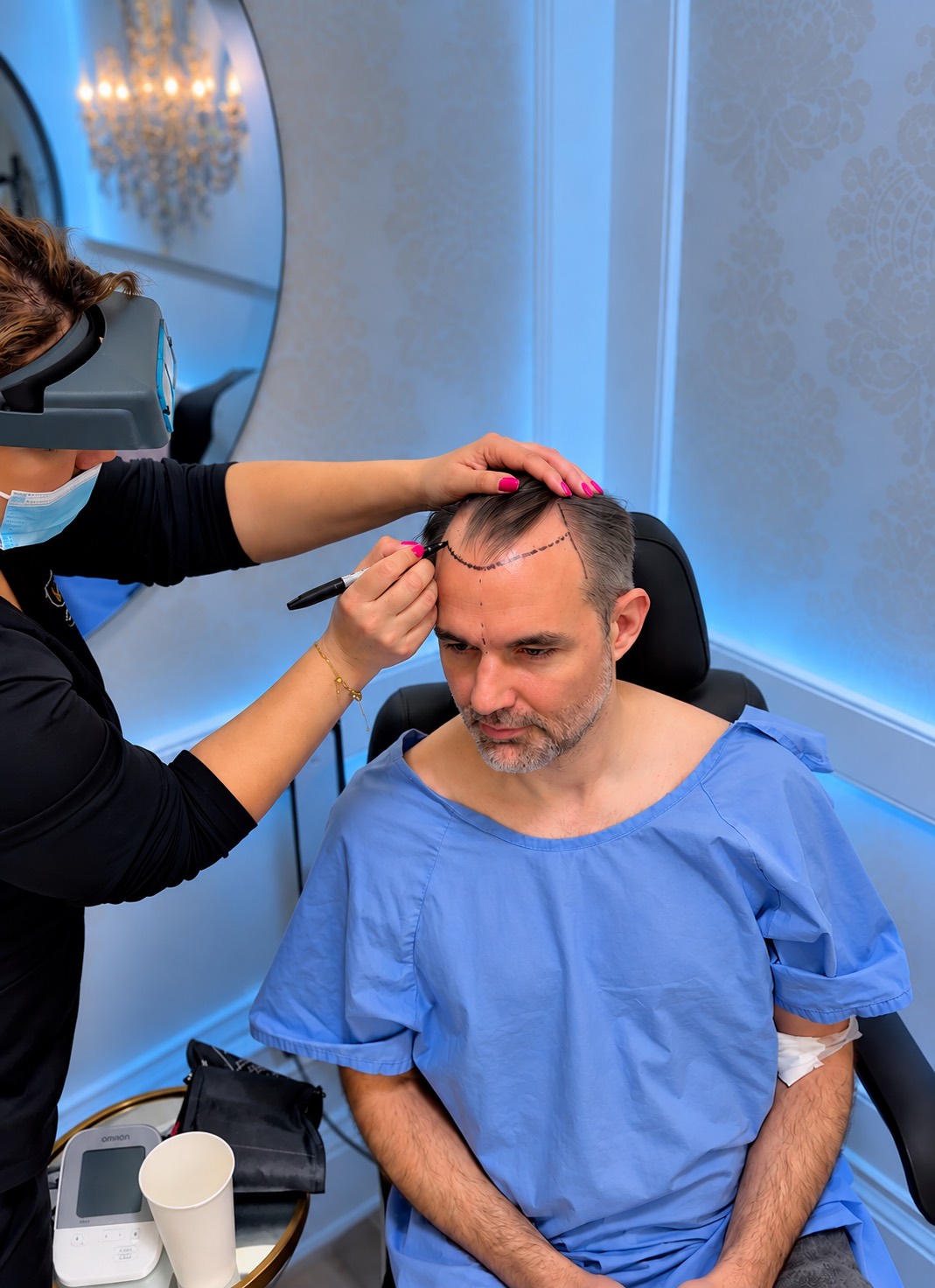
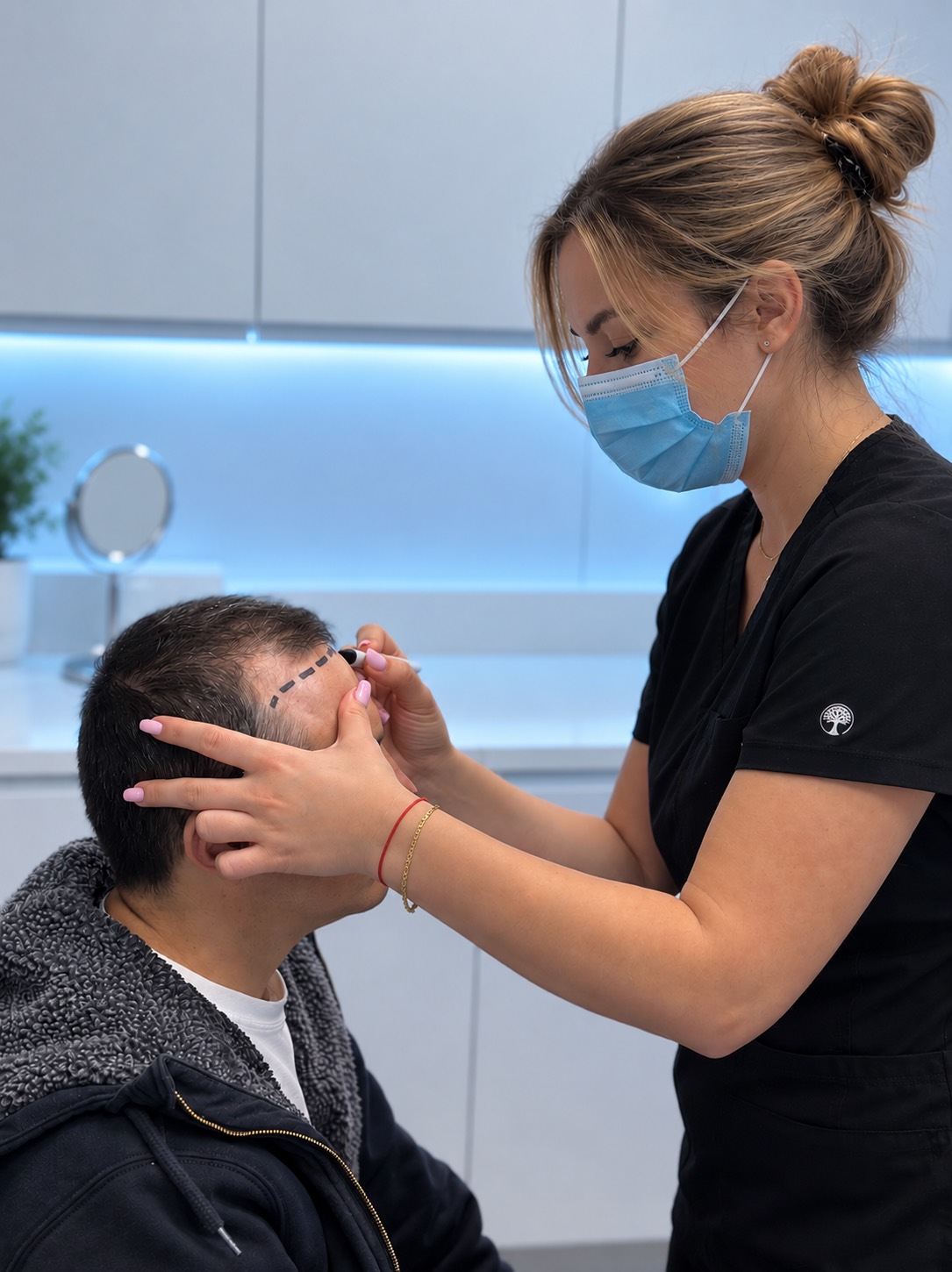
Next comes the hairline design phase, where we either restore your existing hairline or carefully craft a new one. Symmetry, density, and natural aesthetics are top priorities. We’ll take pre-op photos to document your transformation and use them as a reference throughout the process.
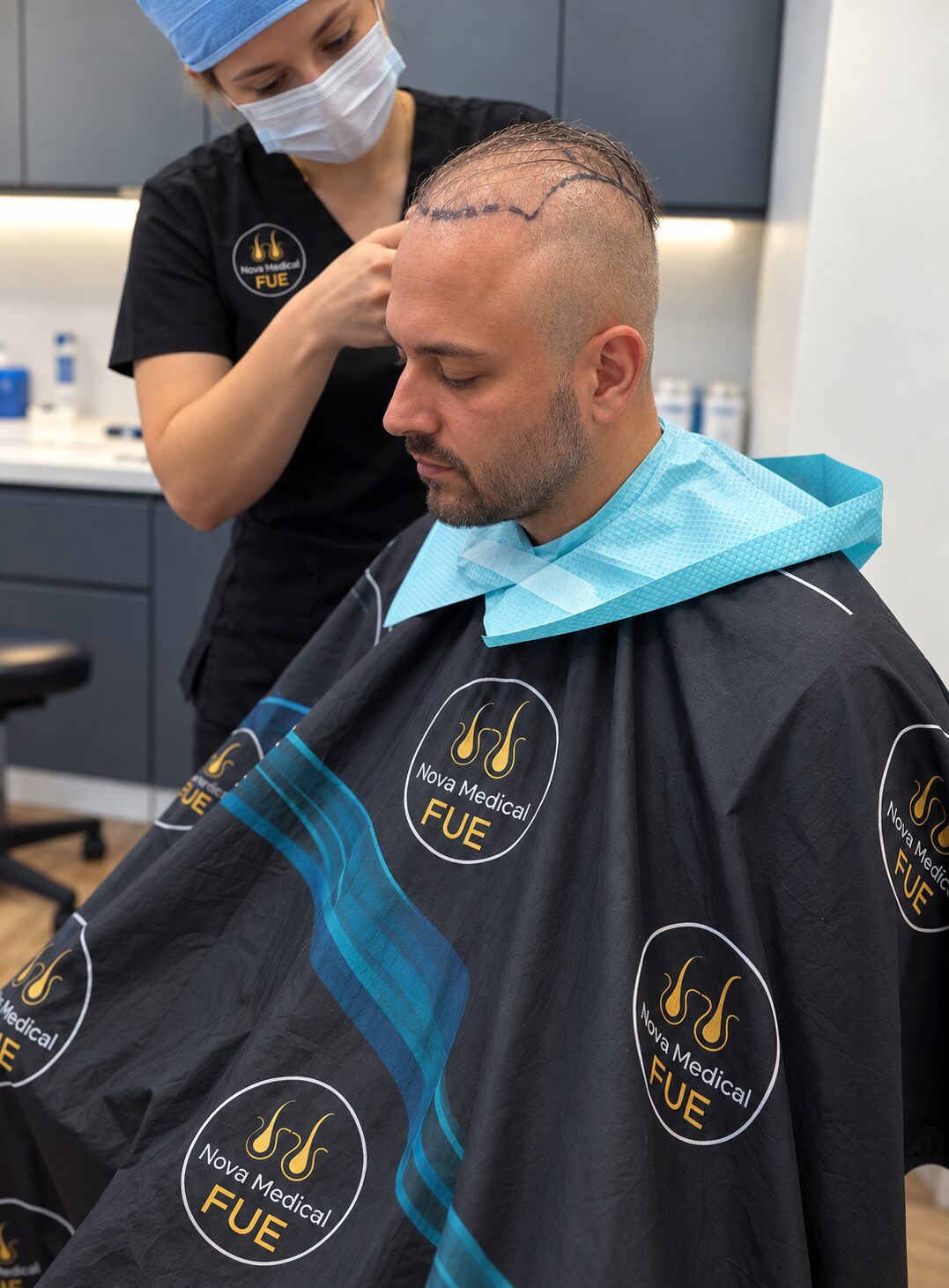
Depending on your treatment plan, we’ll proceed with either FUE (Follicular Unit Extraction) or FUT (Follicular Unit Transplantation/Strip Method). For FUE, the donor area is trimmed short. For FUT, only the area where the strip will be taken is trimmed.
Once prepared, you’ll be moved into the procedure room, where we’ll administer local anesthesia to ensure a pain-free experience. Using magnification and surgical precision, our team will carefully harvest each graft. In FUE, follicles are removed individually.
As grafts come out, a technician counts the hairs in each one and keeps them chilled in labeled trays. Singles are set aside for the very front, while doubles and triples are saved for the rows behind, where they build body without making the edge look heavy.
Throughout this stage, we encourage patients to relax: bring headphones, listen to music or podcasts, or simply rest. Many patients find this part of the day surprisingly calming.
Lunch is brought in around midday, and you can take short breaks to stand, stretch or use the restroom. Someone from the team stays in the room with you the whole time, so a question never has to wait.
After graft harvesting, each follicle is examined under a microscope to ensure quality. Once the grafts are ready, we move into the transplant phase. Using a technique often referred to as “stick and plant,” we create tiny incisions for each graft, placing them with care to follow natural growth direction, spacing, and density.
The tiny openings are angled to copy the way your surrounding hair already lies, whether it sweeps forward, sideways or swirls at the crown. Spacing is kept a little looser at the leading edge and closer through the middle, which is what keeps the finished hairline from looking drawn on.
You’ll be seated in a reclined chair throughout this phase, allowing you to relax while our team performs the final, transformative step. Most patients are amazed at how smooth and pain-free the process is.
Before you leave, the nurse goes over your written aftercare sheet, hands you a soft cap for the ride home, and books your first follow-up visit at the Newton clinic. You also get the clinic number so you can call with questions during the first nights at home.
To see real experiences and outcomes, we invite you to explore our patient stories and reviews and discover what sets Nova Medical Hair Transplant in Boston apart in the world of hair restoration.
Hair Transplant Recovery & Hair Growth
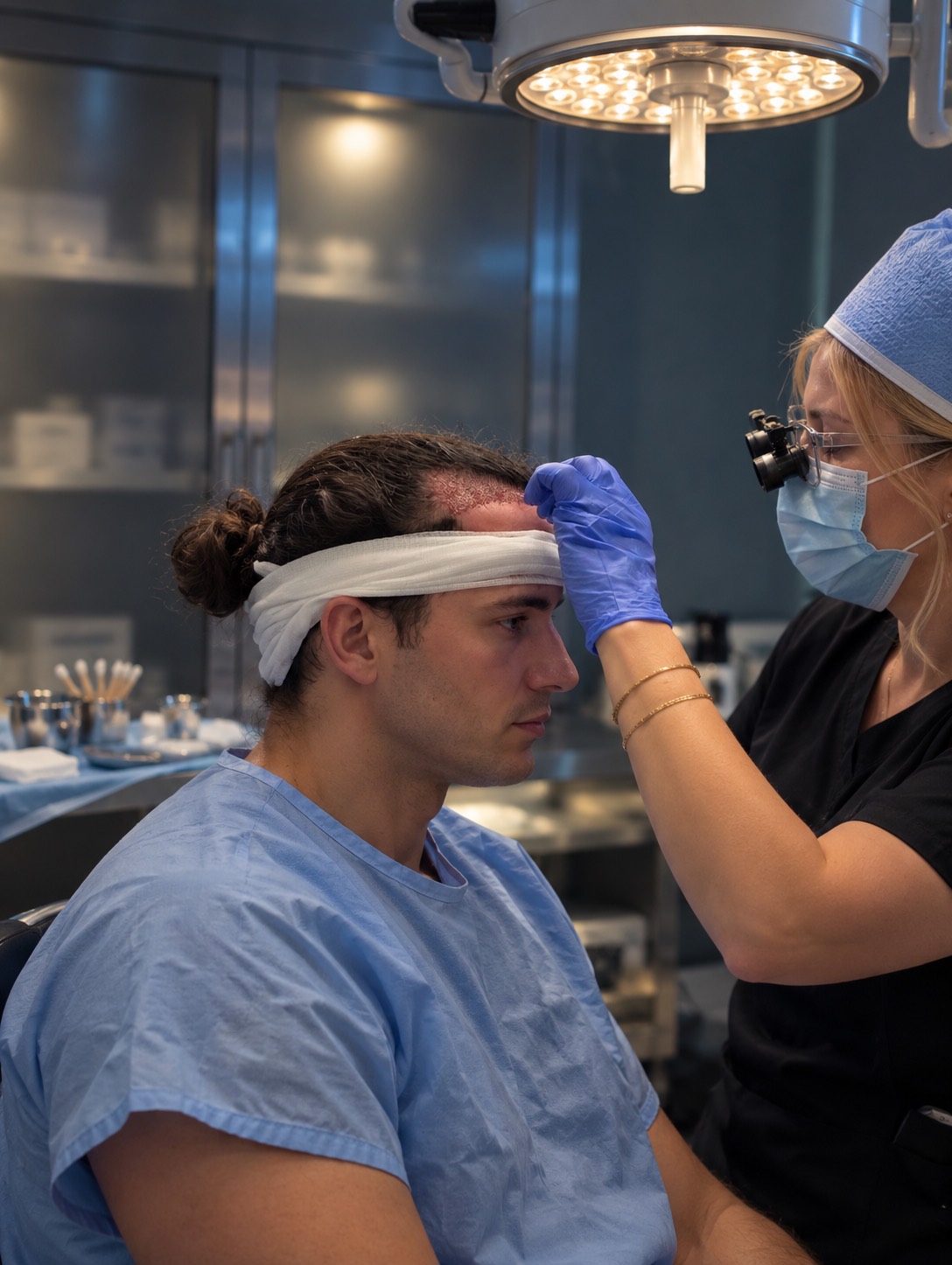
After your hair transplant at Nova Medical Hair Transplant in Boston, there’s no need to worry about walking out with heavy bandages; most patients leave the clinic without any visible dressings, feeling comfortable and confident. The results are immediate in appearance, and many patients already feel the difference with a fuller, reshaped hairline.
To support healing, we provide a tailored post-op care plan. Patients are typically prescribed antibiotics and anti-inflammatory medication to reduce swelling, particularly in the first few days. For added comfort, mild pain relievers are recommended for the first couple of nights to help you sleep soundly.
Most people can return to work and light daily activities within a day or two, as there is little to no downtime. Washing your hair is safe shortly after the procedure, and our team will give you specific, gentle instructions to follow during the early healing phase.
When it comes to physical activity, including exercise, weightlifting, or swimming, we recommend waiting 1 to 2 weeks before resuming anything strenuous to avoid disrupting the healing process.
Visible hair growth typically begins around 4 to 6 months post-surgery. For those looking to enhance and speed up results, Minoxidil, a topical solution applied nightly, can be used to stimulate growth and improve density.
The full results of your transplant will take shape gradually over 12 to 18 months, and the transplanted hair will continue to grow naturally for a lifetime, giving you lasting confidence and a restored, youthful appearance.
Keeping Your Results Healthy for the Long Run
Moved follicles are permanent, but the hair around them can keep thinning. Many of our patients pair surgery with a maintenance plan, such as medication or PRP sessions, so the native hair stays as full as the transplanted zone.
We like to see you at the clinic about once a year after the first growth cycle. A quick scalp photo and density check makes it easy to spot new thinning early and adjust the plan.
Day to day, mild shampoo, a hat on long sunny days at the beach or on the Charles, and steady sleep and nutrition all help the scalp stay in good shape for years.