
DHI Hair Transplant Boston
What Is DHI and How Does It Fit into the FUE Process?
A DHI hair transplant in Boston is a way of setting grafts with an implanter pen, and our Newton team can use it as part of a wider hair restoration plan when it suits your scalp.
Hair transplant techniques have evolved significantly over the years, offering patients more refined and minimally invasive options. Among the most commonly discussed methods today are FUE (Follicular Unit Extraction) and DHI (Direct Hair Implantation). While both are used in modern hair restoration, many people are confused about whether they’re separate procedures or part of the same process.
DHI, or Direct Hair Implantation, is essentially a graft implantation method that builds on the core principles of FUE. It uses a specialized tool called an Implanter Pen to place extracted follicles directly into the scalp without the need for prior incisions.
So, DHI is not a standalone transplant method. It’s an implantation technique used after follicular units have been harvested via FUE. In other words, DHI fits within the FUE process - it does not replace or compete with it.

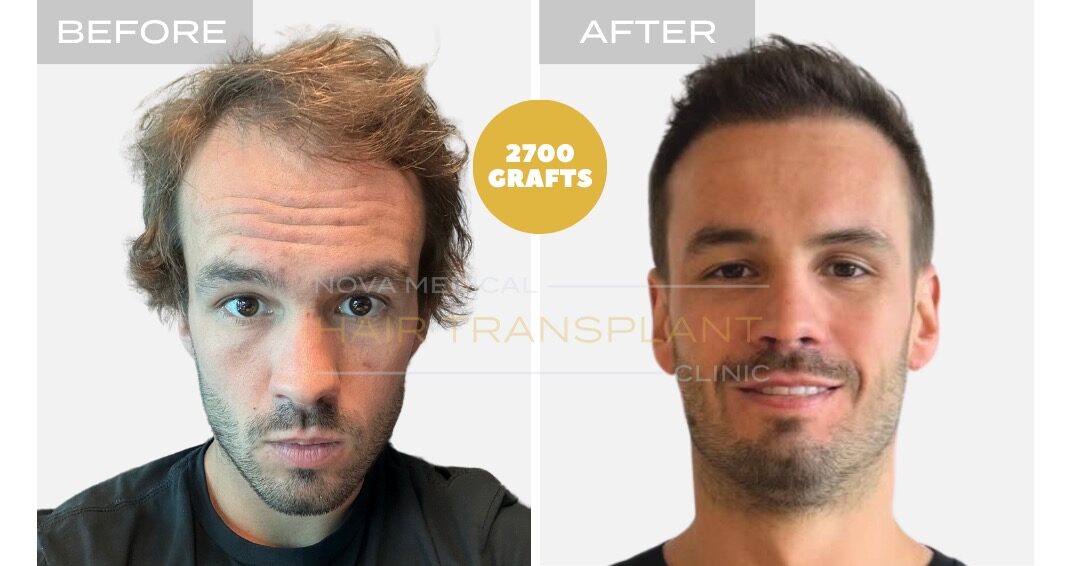
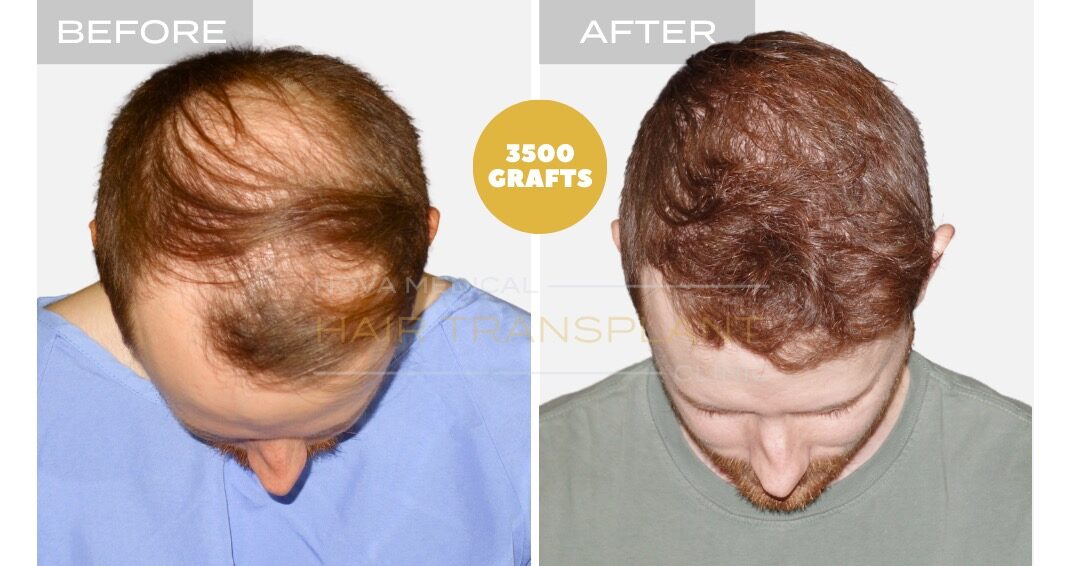
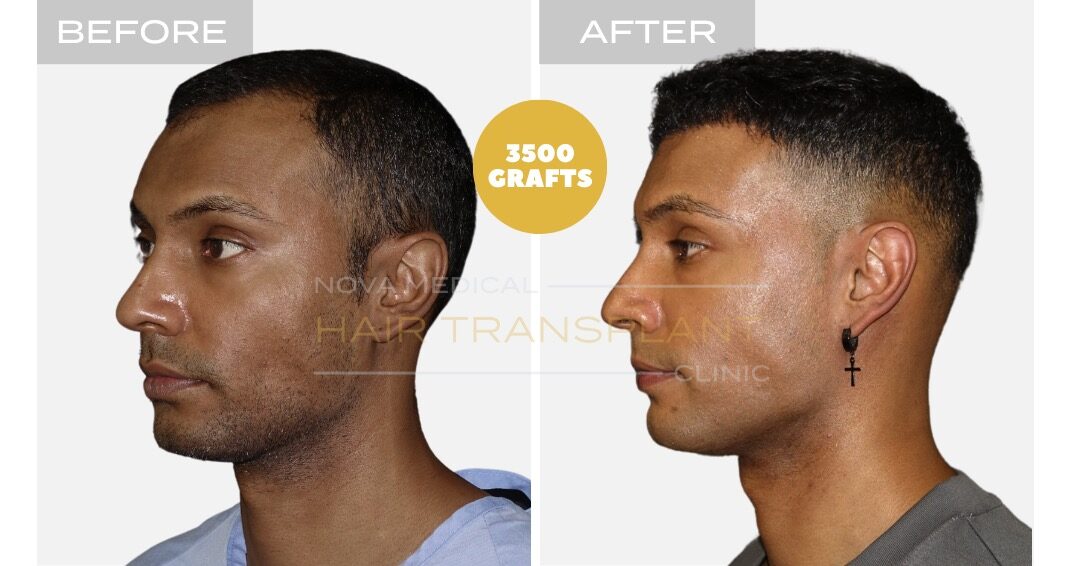
Before & After Gallery
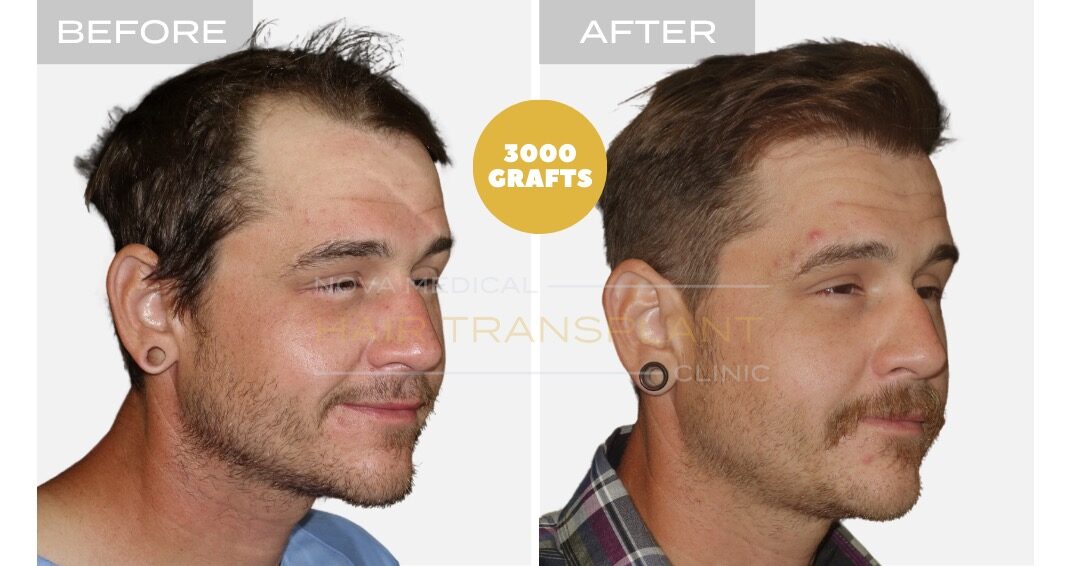
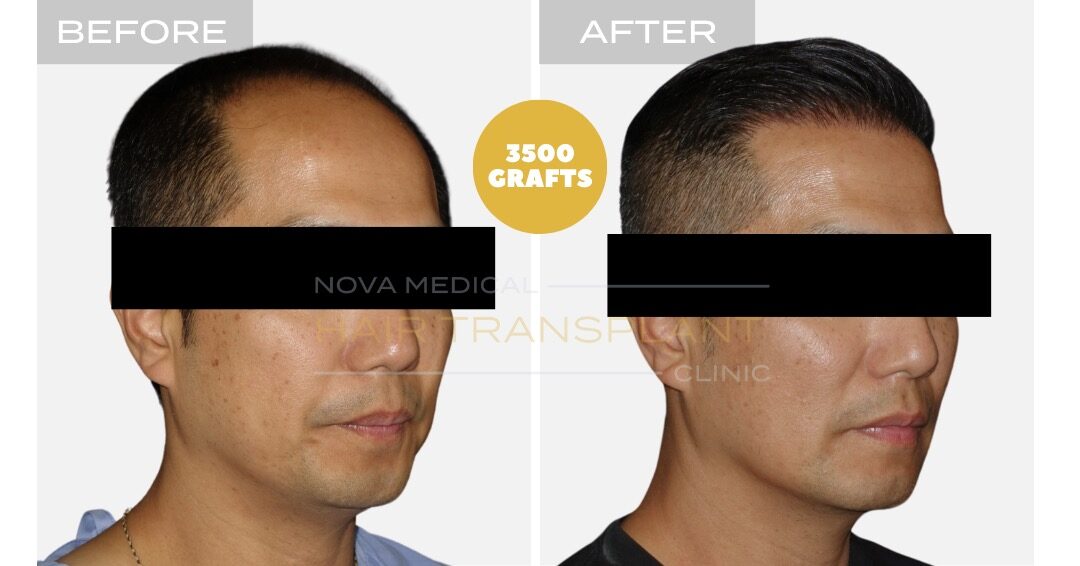
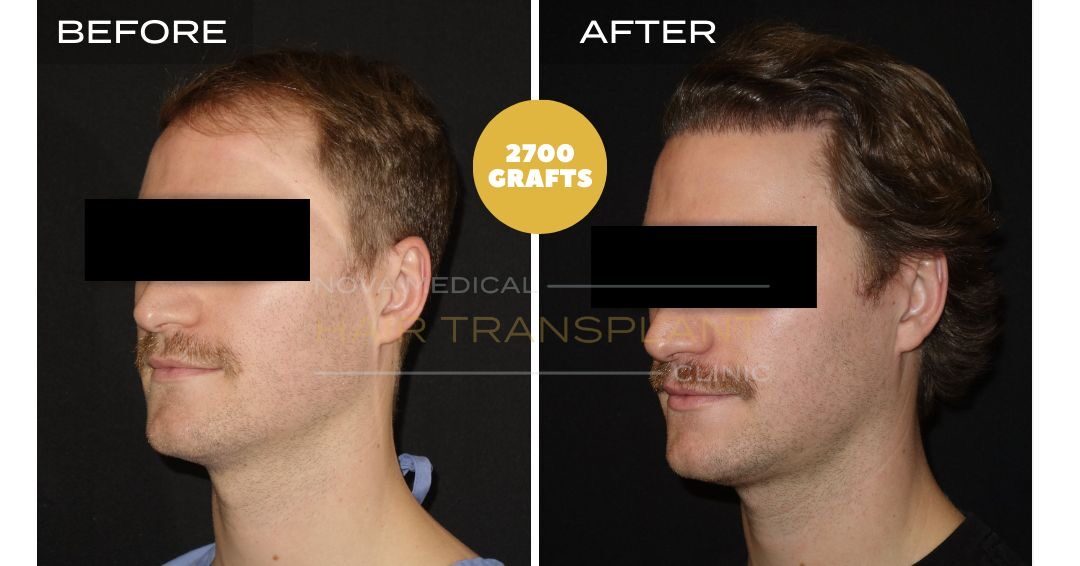
Benefits of DHI in Boston
Because DHI is essentially one implantation option within FUE, it doesn’t offer any fundamental change in outcome - it simply alters the delivery method of the grafts. FUE, on the other hand, provides a broader, more adaptable framework. With FUE, your surgeon has the freedom to:
Pick the Placement Method
Choose the implantation method suited to your case (DHI or manual), zone by zone, instead of committing the whole scalp to one tool.
Fine-Tune Angle and Density
Adjust angles and densities manually, so the front edge can be soft and irregular while areas further back are packed more evenly.
Sessions Planned to Size
Strategically plan large and small sessions efficiently, keeping the pen for compact areas and faster manual placement for big ones.
Matched to Your Hair
Tailor the procedure to your hair type and scalp condition, from very fine strands to thicker, wavier hair.
Dot-Size Donor Marks
Each graft is lifted on its own, so the back of the head is left with scattered pinpoints that fade, rather than a strip wound.
Depth Set in One Motion
The pen opens the skin and seats the graft in the same push, which helps keep depth consistent across a small area.
Fewer Touches per Graft
Once a follicle is loaded it is not gripped again with forceps, so there is less chance of crushing a fragile root.
Room Between Native Hairs
Grafts can be slipped in among the hair you still have, which is useful when the goal is thickening rather than full coverage.
Short Downtime
Most people feel ready for desk work again in a few days, with redness on top settling over the following week or two.
Reviewed Before Surgery Day
Graft numbers, tool choice and hairline shape are agreed at your assessment, so nothing about the method is a surprise on the day.
How Does a DHI Transplant Work?
Here’s how it works:
- Local anesthetic: the donor and recipient areas are numbed first, and most patients feel pressure rather than pain from then on.
- Extraction: follicles are extracted using FUE (just like any other FUE procedure).
- Loading: instead of creating incisions first and then placing the grafts, the follicles are loaded into the pen.
- Implantation: the pen simultaneously creates the recipient site and implants the graft in a single motion.
- Review: the finished pattern is checked against the plan Dr. Jeffrey Spiegel, MD, approved before surgery, and the team directs any touch-ups then and there.
When Is DHI Used in Boston?
DHI may be used in certain cases where precision implantation is important. For example:
- In dense packing zones, like the front hairline.
- In smaller procedures with fewer grafts.
- For patients with very fine hair where detailed placement is needed.
- When grafts need to go between existing hairs without disturbing them.
- When the donor area is healthy enough to supply the grafts the plan calls for.
Request a Free Consultation
No obligation • Same-week availability
DHI vs. FUE: What’s the Actual Difference?
The main distinction lies in how the follicles are implanted into the recipient area. Let’s break down how DHI differs from traditional FUE implantation:
- In standard FUE: the surgical team first creates incisions across the recipient area. The extracted grafts are then manually inserted into those incisions using forceps.
- In DHI: the implanter pen allows the team to make the incision and insert the graft simultaneously. There is no separate step for site creation.
Limitations of DHI and the FUE Process
While the DHI method has become popular in marketing, it’s important to understand its limitations, especially when compared to traditional FUE implantation:
- Procedure time: DHI generally takes longer to perform, especially in larger cases. Each graft must be loaded into the pen before being implanted, which slows down the process. In contrast, standard FUE implantation allows for quicker graft placement.
- Team expertise: DHI requires a high level of skill and experience from the surgical team. Improper technique can damage grafts or affect their survival rate. Not every clinic has the training or personnel to perform DHI effectively.
- Not ideal for large sessions: in high-graft cases (e.g., 3000+ grafts), DHI may not be the most efficient choice. Traditional FUE implantation allows for better control of timing and spacing in these scenarios.
- Tool constraints: the pen can sometimes be limiting when dealing with curly or coarse hair, as the follicles may not load easily or align well within the device.
- Extraction: individual follicles are harvested one by one.
- Preparation: recipient sites (tiny incisions) are created where grafts will be placed.
- Implantation: grafts are manually inserted into the incisions.
Getting Ready for DHI in Newton
A few small steps in the weeks before surgery help the day go smoothly:
- At booking: share a full list of prescriptions, vitamins and supplements; any pause in a blood thinner is agreed with the doctor who prescribed it.
- Seven days before: put cigarettes, vapes and nicotine gum aside, because nicotine limits blood flow to the newly placed grafts.
- Seventy-two hours before: no alcohol, no fresh hair color, and no styling sprays, gels or fibers.
- The night before: shampoo as usual, have a good meal and get to bed at a reasonable hour.
- Surgery morning: choose a top that buttons or zips up the front, bring something to snack on, and plan a ride home from Boylston Street, as the day is long.
Aftercare Following DHI in Boston
Before you leave, the team walks you through written aftercare notes and hands you a saline spray for the grafted area. Plan to sleep propped up for the first few nights, and avoid touching the grafts, wearing a tight hat or putting the top of your head under a shower stream until you are told it is safe.
Your first careful rinse normally comes two to three days in, and we demonstrate the technique so you can repeat it at home. Follow-up visits are spaced across the first year to see how growth is coming along, and our recovery page covers what each stage usually looks like.
Questions between appointments are welcome: phone (857) 290-5988 and someone from the Newton clinic will go over what you are seeing.
Free ConsultationAre DHI Results Permanent?
The transplanted hair is meant to last. Grafts come from the band of hair around the back and sides that usually keeps growing even in men with advanced balding, and being placed by pen instead of forceps does not change that.
-
1
Donor Hair Keeps Its Nature
Follicles from the donor band are far less affected by DHT, the hormone behind pattern loss on the crown and front, and they keep that resistance after the move.
-
2
How the First Year Unfolds
Expect most new hairs to shed within a few weeks, new growth to appear around the third or fourth month, and density to keep building up to about a year. Some people move faster than others.
-
3
Your Untreated Hair
Hair that was never moved can still thin with time. A hairline designed for how you will look in later decades, plus medical support for native hair where it makes sense, keeps things looking even.
-
4
Habits That Help
Good nutrition, enough sleep, a hat or sunscreen on the scalp in summer and avoiding tobacco support both the grafts and the hair around them.
-
5
Ongoing Check-Ins
A yearly visit lets the team catch new thinning early and adjust your plan before it becomes noticeable.
Why Patients Choose Nova Medical for DHI in Boston
Led by Dr. Jeffrey Spiegel, MD
Each DHI plan at our Newton clinic is designed and reviewed by Dr. Jeffrey Spiegel, MD, and carried out by a surgical team focused on hair restoration.
Pen or Forceps, Area by Area
Implanter pens, fine forceps and magnification are all on hand, and the choice is made for each part of the scalp rather than once for everything.
A Hairline You Help Draw
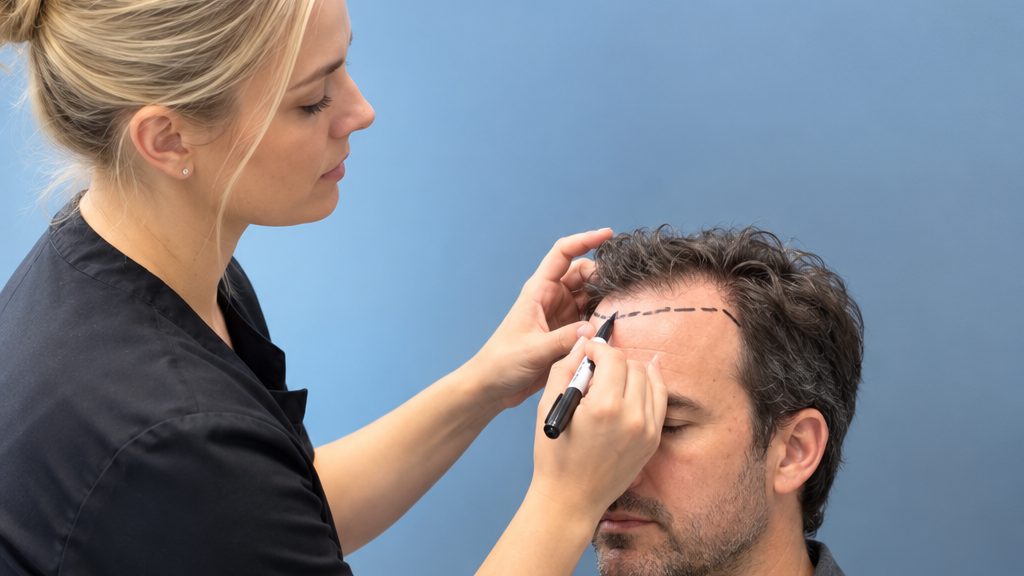
The front edge is marked on your scalp while you watch in a mirror, then adjusted until the shape feels like yours.
Built for Later Years
Graft placement takes future thinning into account, so the result still fits your face many years down the line.
Straight Answers at No Cost
If pen placement would not add anything for your scalp, we tell you, and explain which approach would suit you better.
A Comfortable Day in the Chair
Numbing with local anesthetic, breaks on request and a private room with shows or music help a long session pass more easily.
Simple Pricing
$3.99 to $7.99 per graft, no session fees, and 0% financing available for the first 12 months.
Learn More About DHI in Boston
Understanding the relationship between DHI and FUE is key when exploring your hair transplant options. DHI doesn’t replace FUE - it works within it. While the pen can be effective in certain situations, it’s not universally better or worse than other methods. The success of your procedure depends far more on the skill and experience of your surgical team than on the tools alone. Most procedures come to $4,000 to $15,000 depending on the graft count; our hair transplant cost page explains how that is worked out.
To summarize: DHI is a specific implantation method used during the final stage of an FUE procedure. It involves using an implanter pen to insert follicles directly into the scalp without prior incisions. It can offer benefits in certain use cases but comes with trade-offs in time, complexity, and versatility. FUE remains the core technique, and DHI is just one of several implantation strategies your surgeon may choose from based on your individual needs. If you’re considering hair restoration, focus first on choosing a trusted provider who offers FUE as the foundation of your treatment - and can adapt the implantation technique (including DHI) based on what will suit you. Book a free assessment at 335 Boylston St in Newton to find out which approach fits your scalp.