
PRP Hair Loss Boston
Your Own Plasma, Aimed at Thinning Hair
At our clinic on Boylston Street in Newton, a short drive from downtown Boston, PRP is offered two ways: as a stand-alone option for people whose hair is thinning but still present, and as a follow-on to surgery for patients who want their grafts and surrounding hair to settle in well.
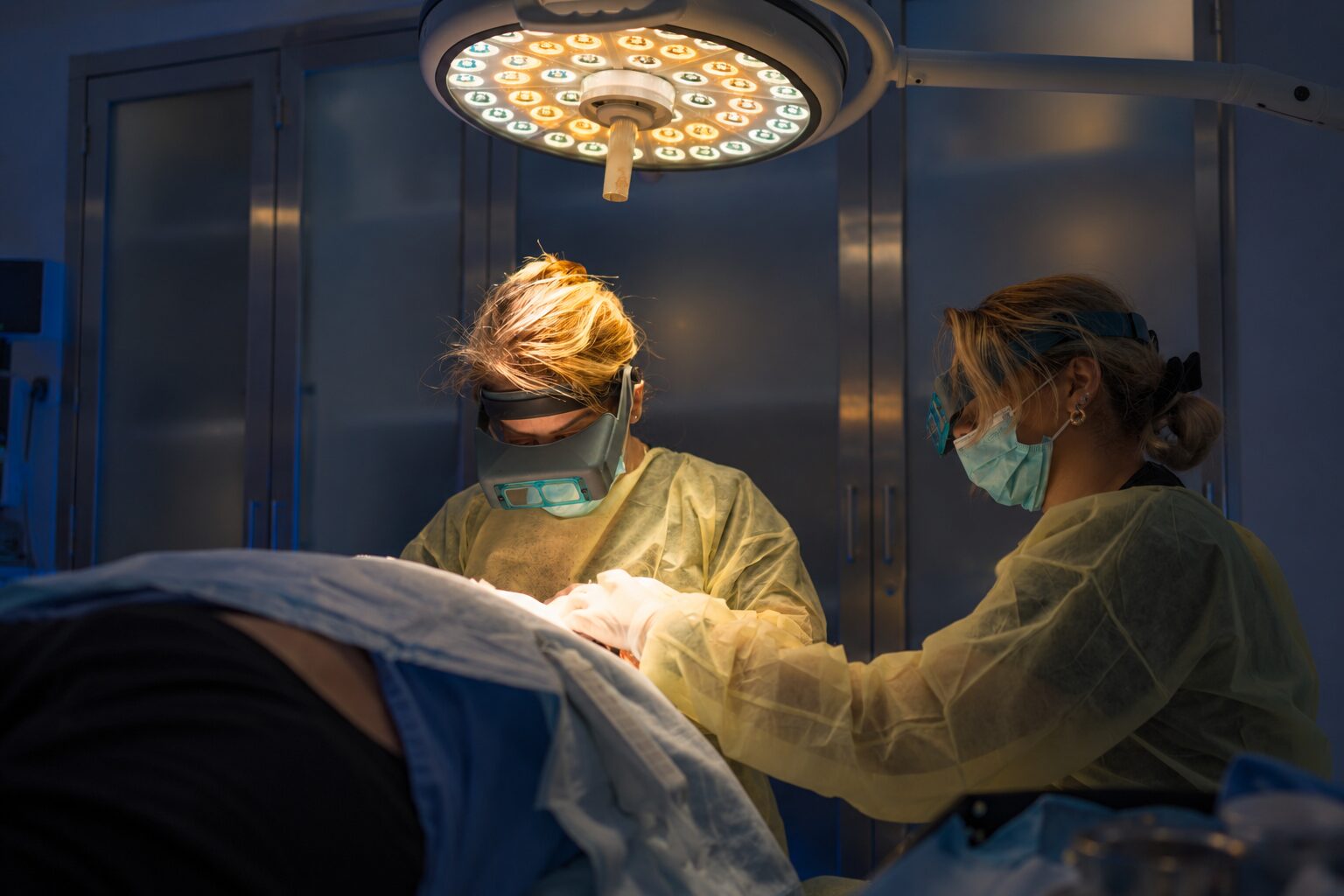
Hair transplant surgery is an excellent option for those looking to restore lost hair - but achieving the strongest possible outcome doesn’t end the day of your procedure. To promote healing, support new hair growth, and protect your investment long-term, many patients turn to Platelet-Rich Plasma (PRP) therapy as part of their recovery and maintenance routine.
So, when is the right time to add PRP into your post-transplant plan? And what can you expect from it? In this guide, we’ll break down how PRP therapy works, why it’s becoming a go-to enhancement after transplants, and when it offers the most benefit.
If you have not had surgery and simply want to slow a receding hairline or a widening part, the same injections can be used on their own. We look at your scalp first and tell you plainly which route makes sense for the hair you have today.
PRP also has a place after facial hair work. Patients recovering from a beard transplant or an eyebrow transplant can ask about it at their follow-up, and a free assessment at our Newton clinic is the easiest way to find out whether it suits your situation.
The PRP Treatment Process
-
1
Hair & Health Check
A short exam and conversation about your family history, recent shedding, medications and any surgery you have had or are planning, so the plan fits the reason your hair is thinning.
-
2
Blood Draw
A small amount of blood is collected, usually from your arm.
-
3
Processing
The blood is spun in a centrifuge to isolate the platelet-rich layer.
-
4
Injection
The PRP is carefully injected into targeted areas of your scalp. Local anesthesia may be applied for comfort.
-
5
Repeat & Review
A single visit is a starting point, not a finished course. We set the next appointments at the first one and compare photos as you go, changing the gap between sessions if the response calls for it.
PRP Pricing in Boston
Your PRP total comes down to the length of the course you need and whether the sessions sit inside a transplant plan or run on their own. We go through both at your assessment in Newton and give you the full figure in writing before you commit to anything.
Patients from across Greater Boston use PRP in different ways: some to protect early thinning for as long as possible, others to back up FUE or FUT surgery in the months after the procedure. Either way, you leave knowing how many visits to expect and roughly when.
There are no hidden add-ons, and 0% financing is available for the first 12 months. The Boston hair transplant cost and financing page covers how payment plans work.
Answer It Early.
Follicles that are shrinking but still alive have the most to gain from plasma, so an early look at your scalp keeps more options open.
Request a Free Consultation
No obligation • Same-week availability
How Long Does the PRP Treatment Take?
Each session usually takes 30-60 minutes, and you can resume your normal activities the same day. Most of that time is the blood draw, the spin and letting the numbing take effect; the injections themselves go quickly.
Because nothing is cut, there are no stitches, no dressings and no scar. Plan to skip the gym, the sauna and strong styling products for a day or two so the tiny needle points can close cleanly.
Want to see what a full course looks like on real patients? Our before & after gallery shows outcomes from the clinic, and you can call (857) 290-5988 to ask questions before booking.
Who Is an Ideal Candidate for PRP?
Although PRP can’t replace a hair transplant, it can absolutely enhance the final outcome. It tends to suit people who match several of the points below:
- Thinning you can see, while the scalp is still covered by living hair
- A family pattern of loss in men or women, caught in its early stages
- A recent jump in the amount of hair left in the shower or on your brush
- A recent or upcoming transplant you want to support, or no plans for surgery yet
- Good general health, with no blood disorders or clotting problems
- Realistic goals: stronger existing hair rather than hair where follicles are gone
Benefits of PRP Treatment
What plasma injections can add, whether you are recovering from surgery or treating thinning on its own.
Speeds Up Healing
PRP reduces inflammation and improves circulation, helping your scalp recover more quickly from surgery.
Improves Graft Survival
By boosting blood flow and nutrients to the transplanted follicles, PRP helps grafts establish themselves more effectively.
Revives Dormant Follicles
It can stimulate surrounding native follicles that are weakened but not yet inactive.
Reduces Shock Loss
Hair shedding is common after a transplant - PRP may minimize it and shorten the recovery window.
Boosts Hair Quality
With repeated treatments, hair often grows in thicker, fuller, and healthier.
PRP for Different Types of Hair Loss
The cause of the loss matters more than the amount. These are the patterns where plasma injections earn a place in the plan:
- Male and female pattern loss - a slowly rising hairline, a wider part or a sparse crown, ideally treated while the hairs are still there to protect
- Diffuse shedding - hair that thins evenly over the top rather than in one obvious spot
- The months after surgery - support for grafts and the native hair beside them while you go through recovery
- Women with thinning hair - often a first step before or alongside female hair transplant options
Areas that are completely bald have no follicles left for plasma to work on. There, a hair transplant is the way to add hair back, and we say so at the first appointment rather than selling sessions that cannot help.
PRP for Hair Loss in Boston
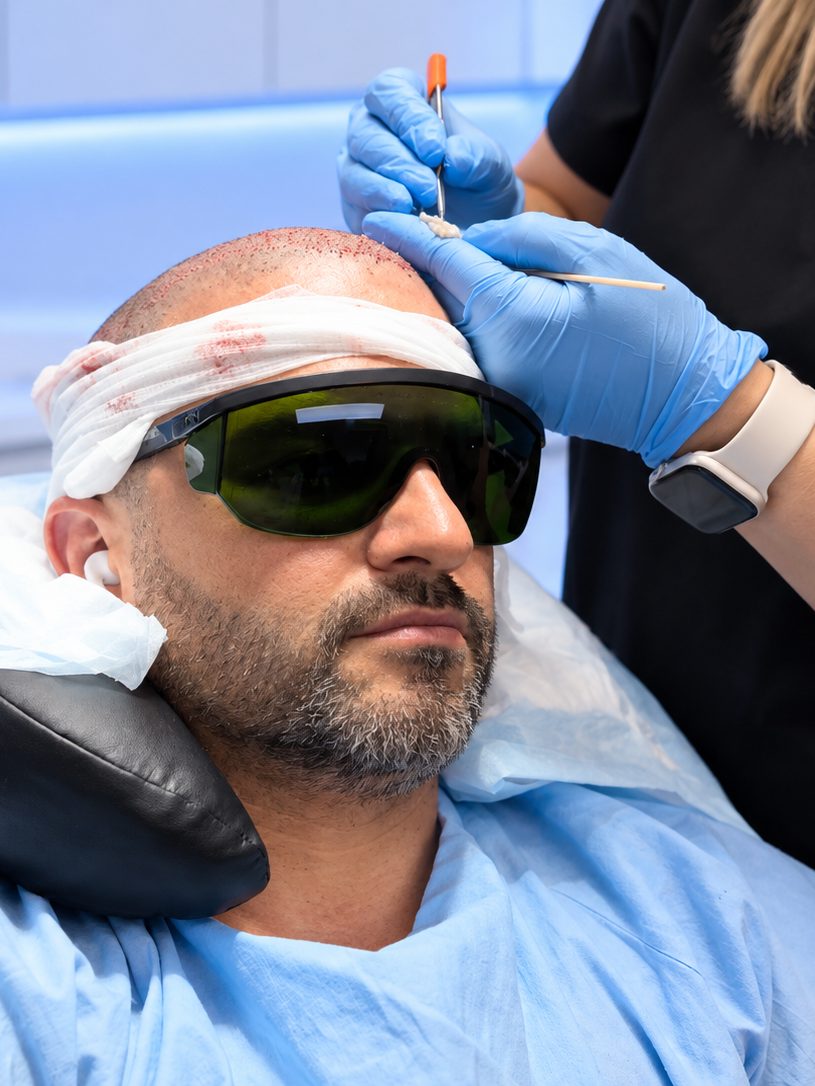
Two details decide how much a PRP session can do: the strength of the plasma and where it ends up in the scalp. At our Newton clinic on Route 9, each sample is prepared during your visit, never ahead of time.
A closed, sterile tube keeps the sample clean while it is spun, and the platelet layer is drawn off and used straight away rather than left to sit.
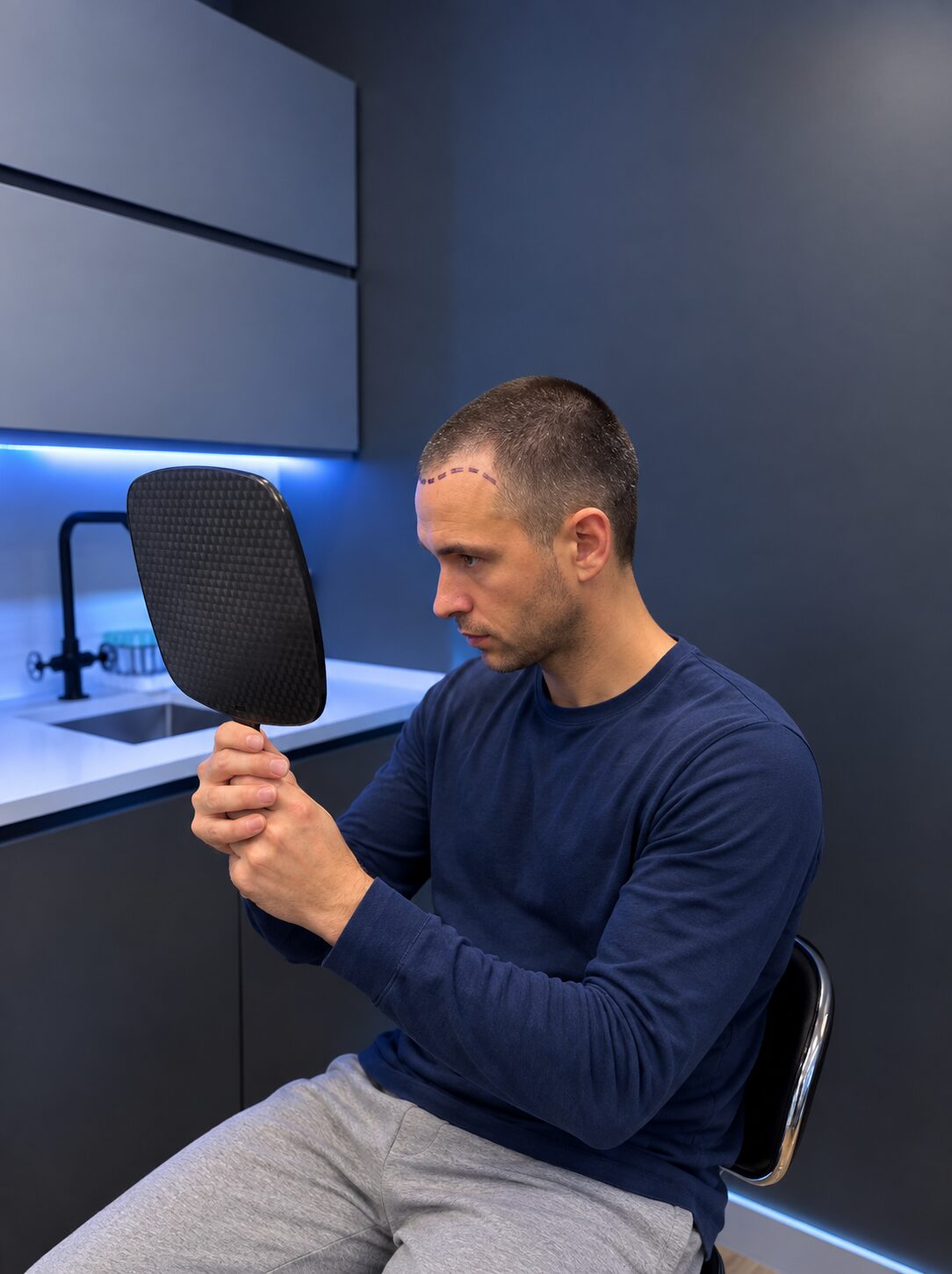
Before the first needle, the areas to treat are marked out with you in front of a mirror, so the plasma goes where the thinning is. That same planning habit runs through every case we take on under the Nova Protocol™.
Since the clinic provides both injections and surgical hair transplants, the advice you get is not tied to one treatment. Dr. Jeffrey Spiegel, MD oversees every PRP plan, and our trained medical team carries out the injections.
Getting Ready for Your PRP Session
-
1
Have a Normal Meal
Have a regular meal and plenty of water before you arrive. A full stomach and good hydration make the draw easier and help prevent dizziness.
-
2
Check Your Medications
Some pain relievers, blood thinners and alcohol can dull platelet function. We send a list of what to pause and for how long, and you should only stop a prescribed drug with your own doctor's agreement.
-
3
Arrive With Product-Free Hair
Wash your hair the morning of the visit and skip gel, wax, hairspray and dry shampoo. You can return to your usual routine soon after.
When to Plan PRP Sessions
- Session Day
Allow 30 to 60 minutes. Some tightness or tenderness where the injections went is normal and fades within a day.
- Weeks 1-2
Some clinics recommend a PRP session within the first couple of weeks post-op to enhance early healing and reduce inflammation. This is especially helpful if your scalp is sensitive or prone to swelling.
- Months 1-3
During this stage, hair follicles begin to settle, and some shedding typically occurs. PRP can help jumpstart the growth cycle and promote thicker regrowth during this transitional time.
- Months 4-12
This is the period where real growth becomes noticeable. PRP can reinforce developing follicles and increase hair density, especially in areas where results may be slower to appear.
- Beyond 1 Year
To maintain results and prevent further loss in untreated zones, PRP can be scheduled every 6 to 12 months as part of a long-term hair health plan.
How Does PRP Work?
PRP, or Platelet-Rich Plasma, is a regenerative treatment that uses components from your own blood to stimulate tissue repair and hair growth. By drawing a small blood sample, spinning it in a centrifuge, and isolating the platelets, your provider creates a serum rich in healing growth factors. This is then injected into targeted areas of the scalp.
In the context of hair restoration, PRP helps improve follicle function, encourage regrowth, and strengthen both transplanted and existing hair.
Platelets are the cells your body sends to a cut or bruise to start repairs. Concentrated and placed at follicle depth, the signaling proteins they release are thought to lengthen the growth phase of hairs that have started to miniaturize.
Research on PRP for hair is still developing and responses differ from one person to the next, which is why we photograph your scalp at each visit and judge progress against your own starting point.
Is PRP Right for You After a Transplant?
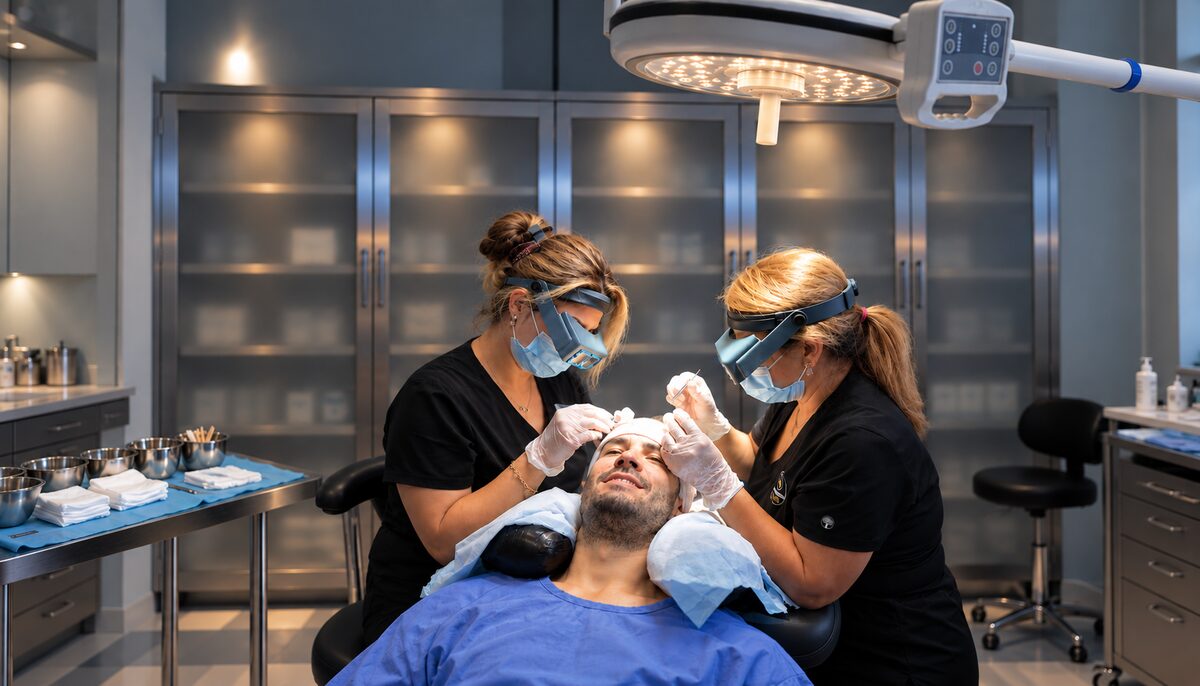
If you’re looking to boost recovery, speed up visible results, and maintain thicker, healthier hair long-term, PRP is a smart addition to your post-transplant regimen. It works in harmony with your body’s natural processes and helps support the full potential of your procedure.
While timing and frequency may vary based on your unique goals and healing pattern, many patients benefit from incorporating PRP early and continuing it as part of their ongoing maintenance.
Speak with your hair restoration specialist to determine the right PRP schedule for your needs. With the right approach, you can enhance your transplant results and maintain your hair’s strength, density, and vibrancy well into the future. Browse our results gallery to see patient outcomes.